What Things to Take Care of When Buying Car Tires
Buying the right tires for your car is not just about replacing old rubber—it directly affects your vehicle’s safety, performance, fuel efficiency, and comfort. Many people overlook important factors and simply choose the cheapest or most easily available option, which can lead to poor driving experience or even accidents. A well-informed decision ensures better road grip, longer tire life, and improved driving confidence.
🚗 Understand Your Tire Size First


The first and most important thing is to know the correct tire size recommended for your vehicle. You can find this information:
- On the sidewall of your current tires
- In your car’s user manual
- Inside the driver-side door panel
A typical tire size looks like 205/55 R16, where:
- 205 = Width of the tire
- 55 = Aspect ratio (height of sidewall)
- R = Radial construction
- 16 = Rim diameter
Using the wrong size can affect braking, mileage, and suspension.
🛞 Check the Type of Tire

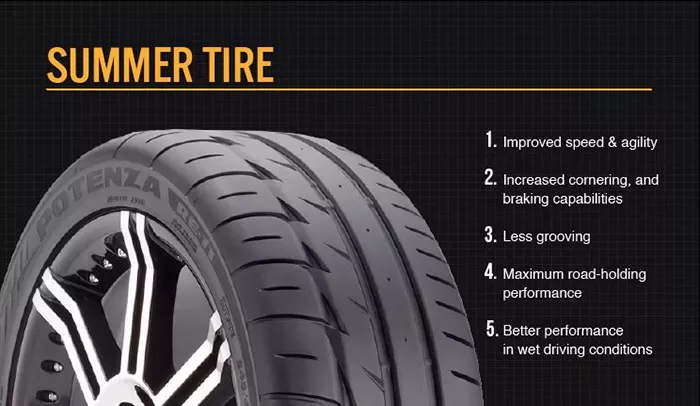


Different tires are designed for different conditions:
Common Types:
- All-Season Tires – Suitable for most conditions
- Summer Tires – Better grip on dry and wet roads
- Winter Tires – Designed for snow and cold climates
- All-Terrain Tires – Ideal for rough roads and off-roading
In India, all-season tires are commonly used, but your choice should depend on your driving conditions.
🏷️ Look at Tire Manufacturing Date


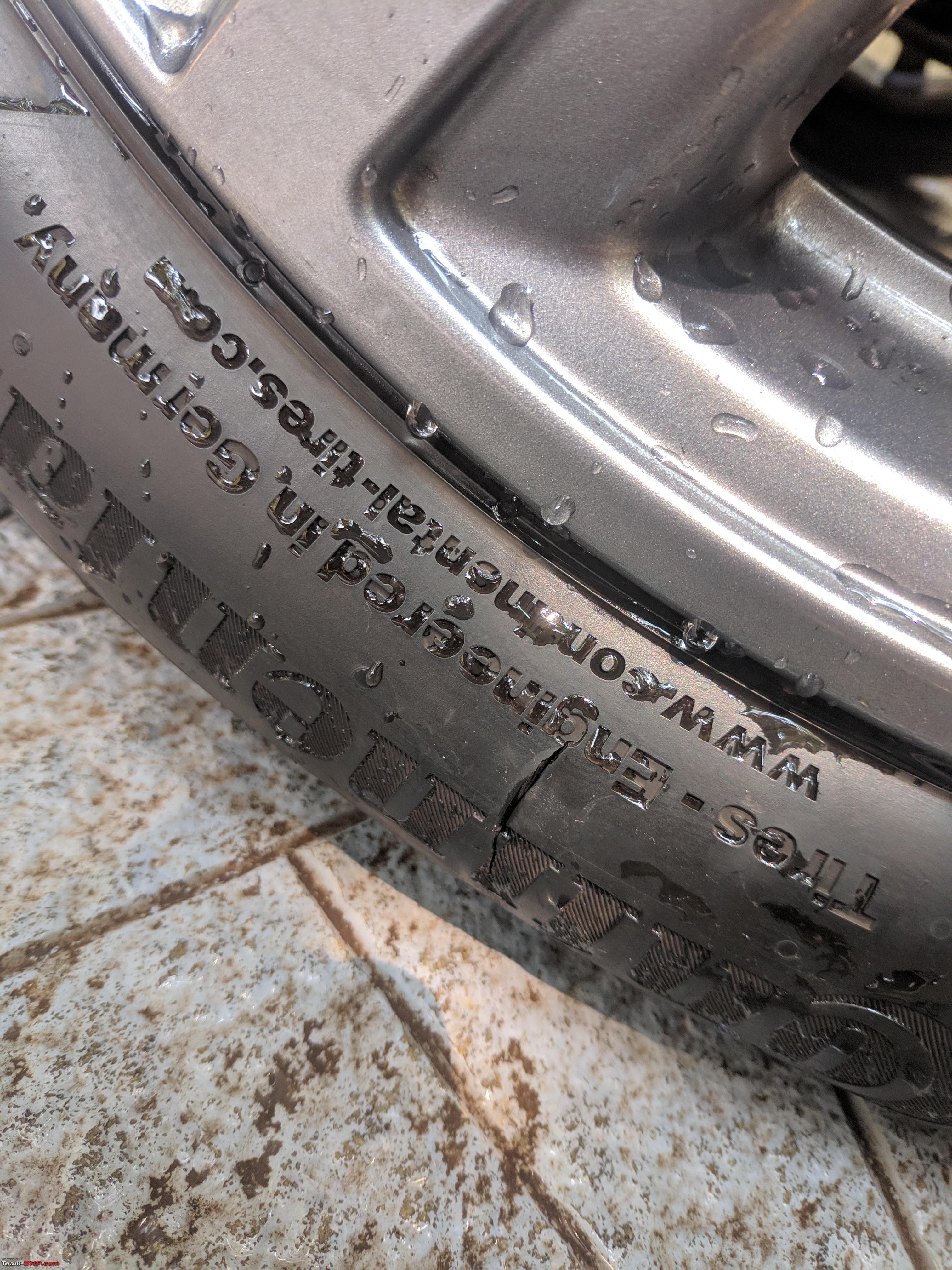
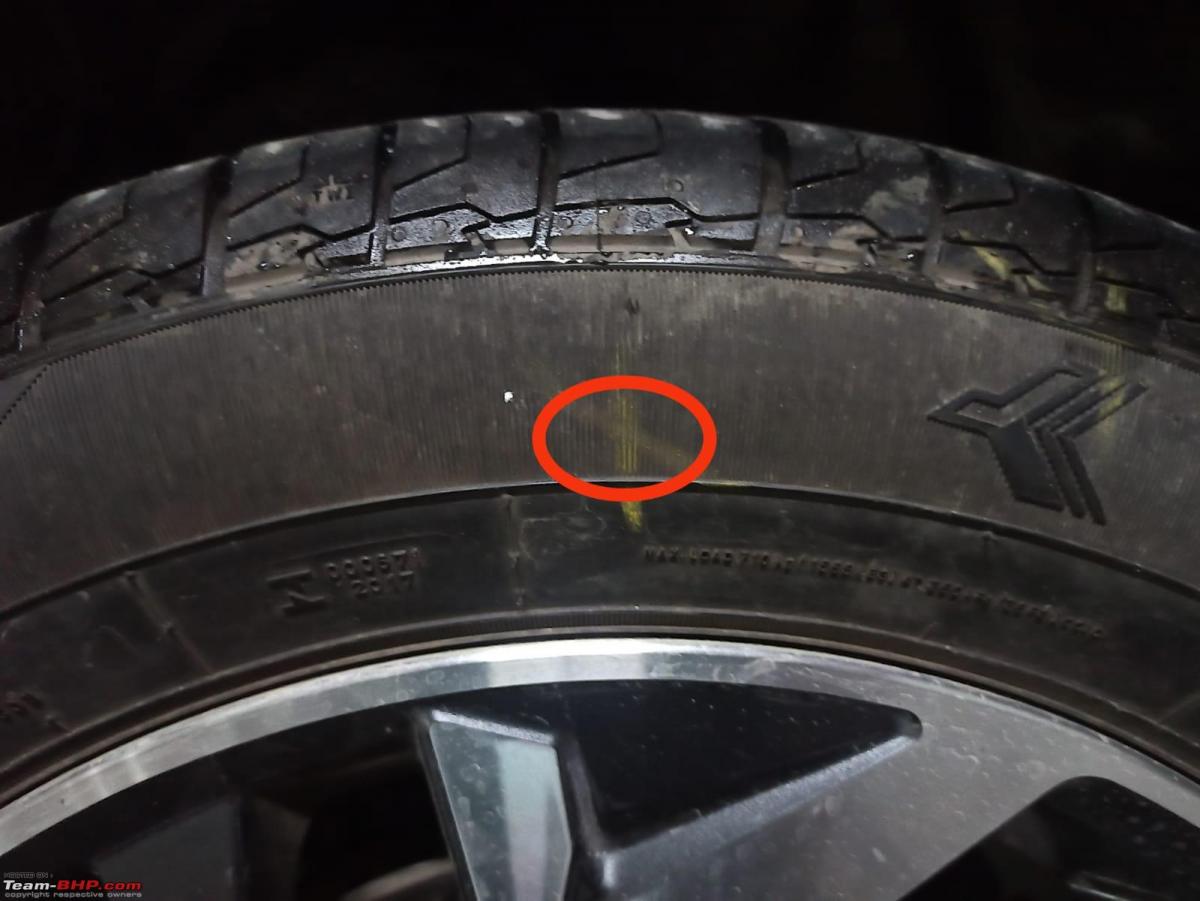
Always check the manufacturing date before buying. Tires degrade over time even if unused.
- Look for the DOT code on the tire
- Example: 3522 means 35th week of 2022
[Inference] It is generally advisable to avoid tires older than 6–12 months from manufacturing.
⚙️ Consider Driving Conditions




Think about how and where you drive:
- City driving → Focus on comfort and durability
- Highway driving → Choose tires with stability and high-speed rating
- Rough roads → Strong sidewalls and all-terrain tires
- Rainy areas → Good water channeling tread
Your usage pattern should guide your decision more than brand popularity.
💰 Don’t Ignore Budget vs Quality
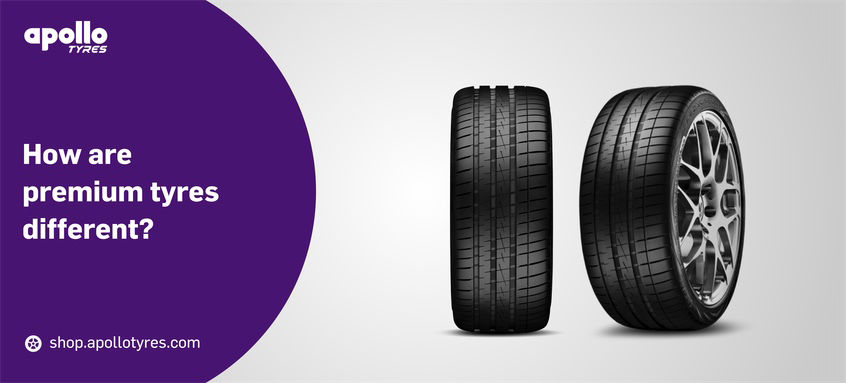
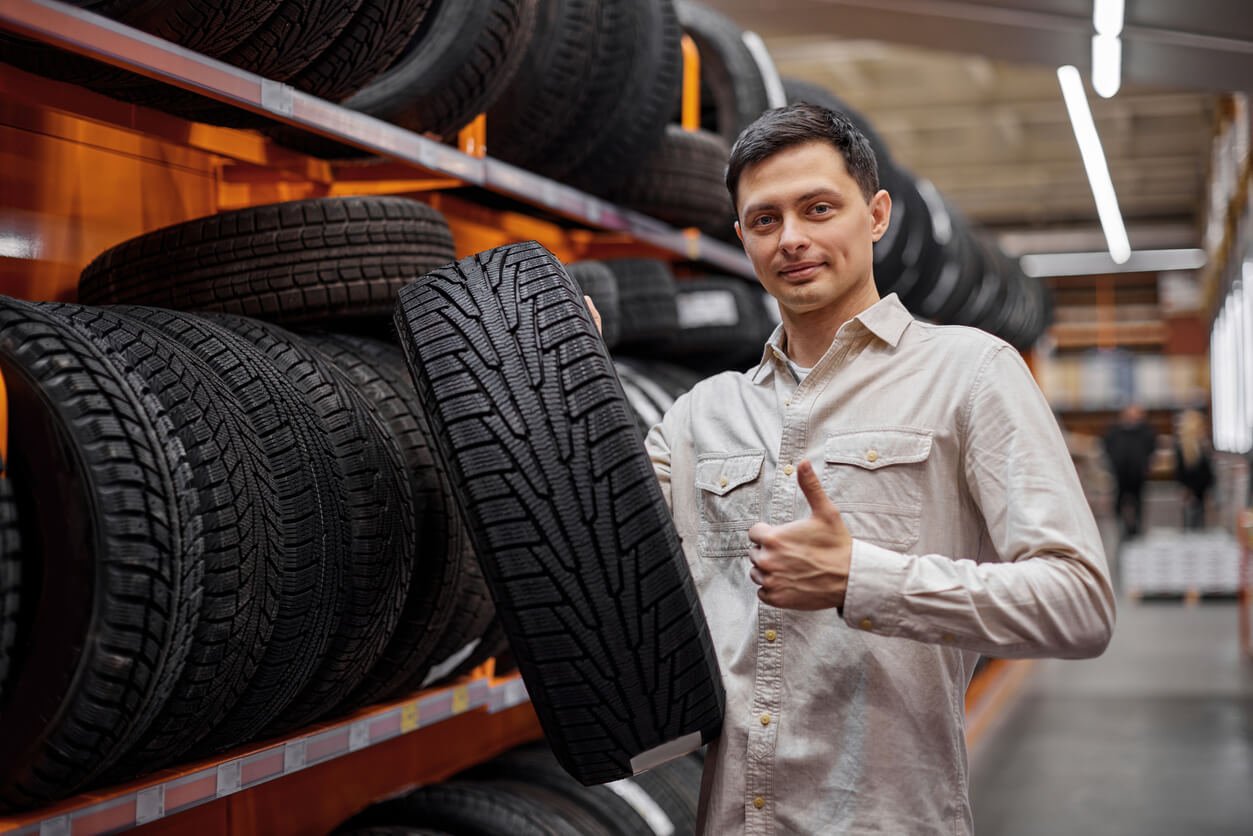
Tires come in different price ranges:
- Premium brands – Better durability, performance, safety
- Mid-range – Balanced option
- Budget tires – Lower cost but may compromise quality
Avoid choosing extremely cheap tires just to save money. Tires are directly linked to your safety.
🏁 Check Tread Pattern and Grip
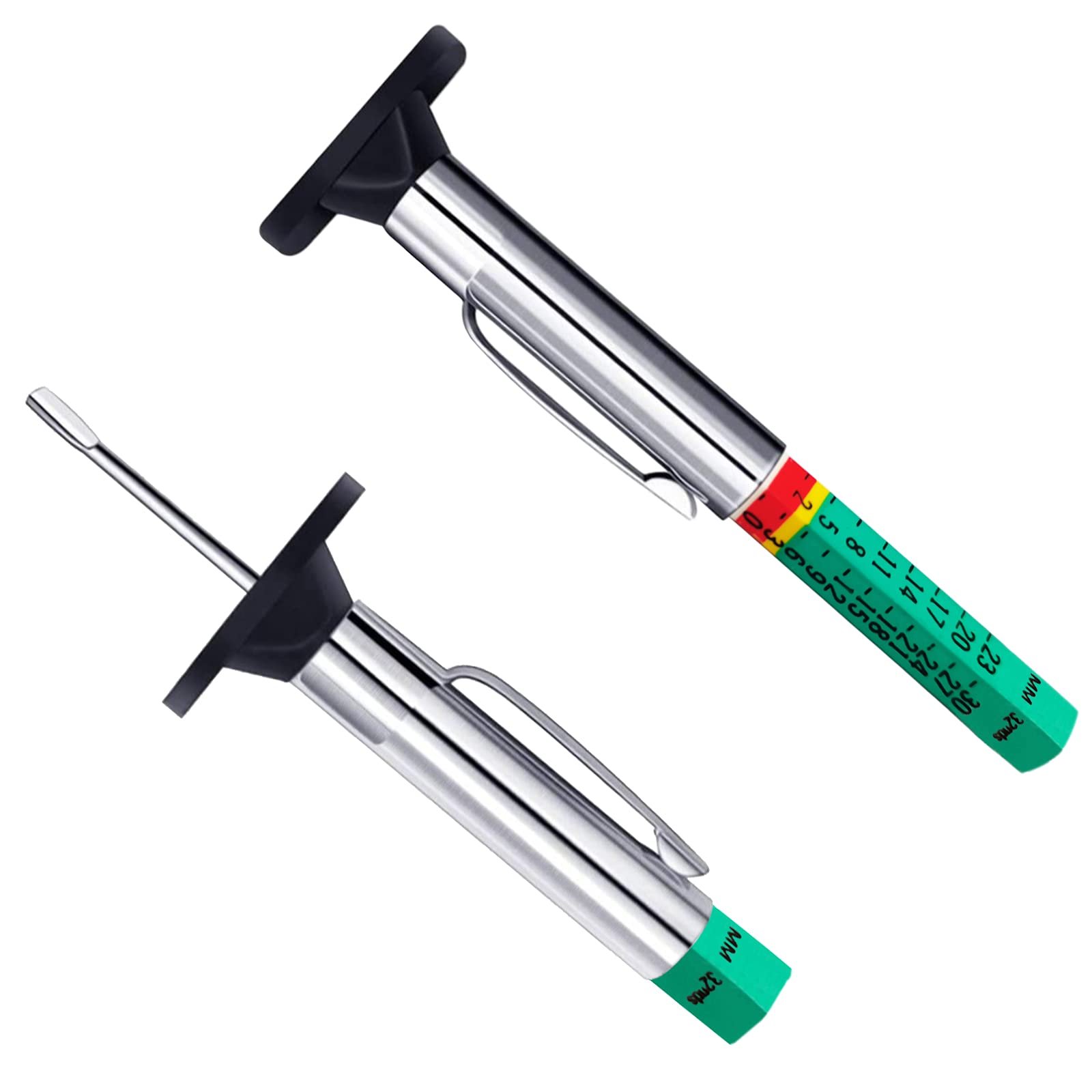


The tread pattern plays a major role in:
- Road grip
- Water drainage
- Braking performance
Deep and well-designed treads improve traction, especially during rain.
🔇 Noise and Comfort Matters


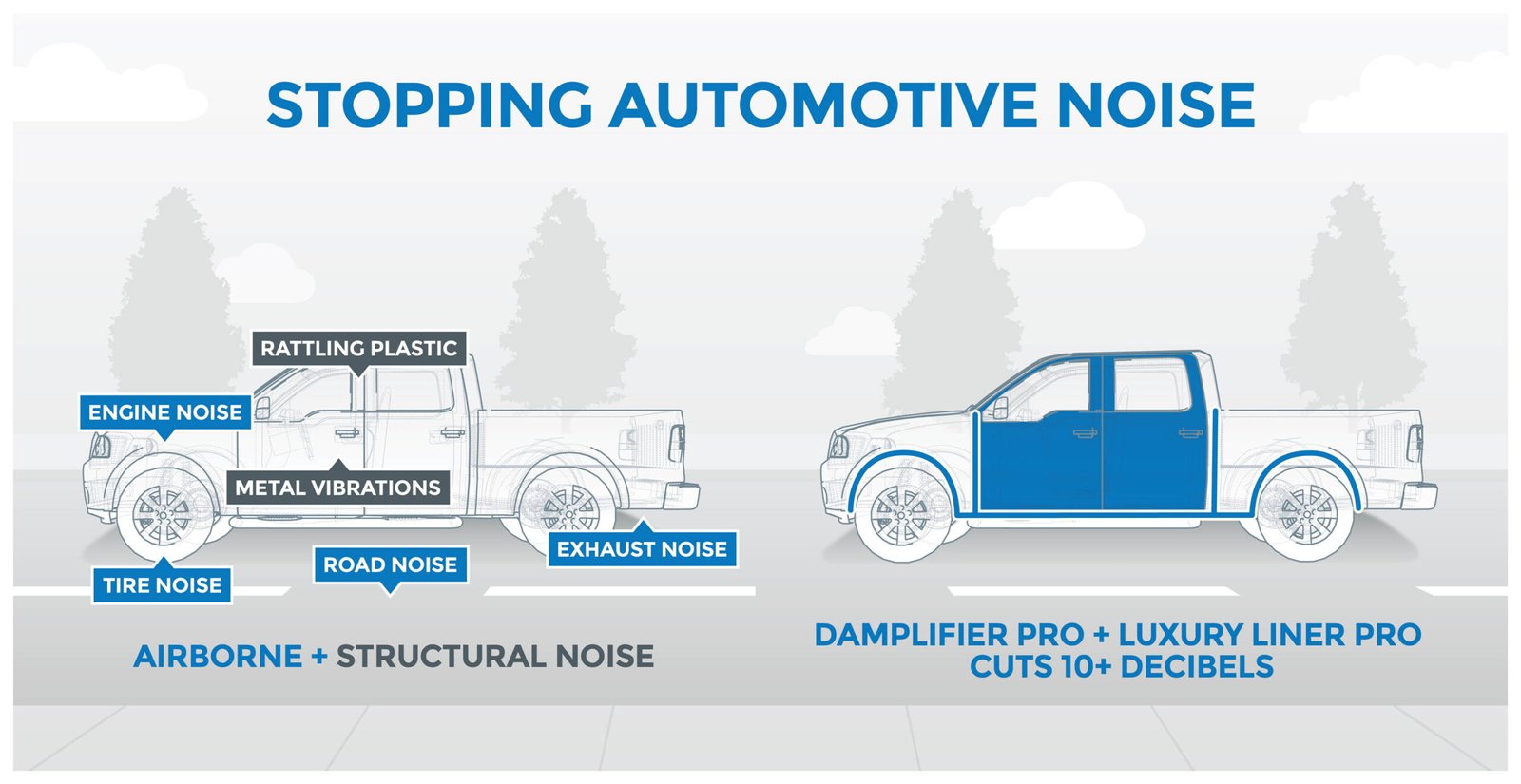
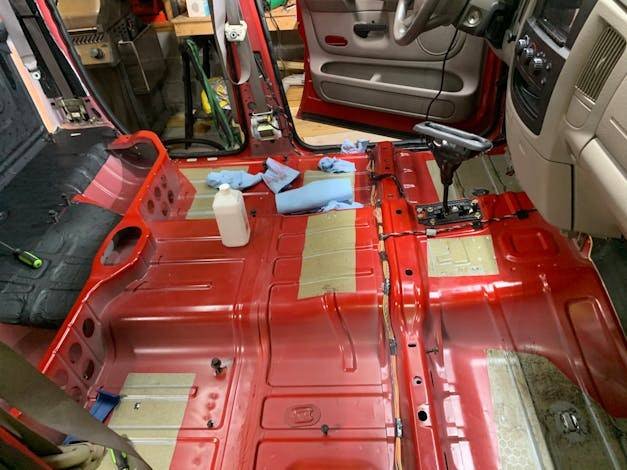
Some tires are noisier than others. If you drive long distances:
- Choose low-noise tires
- Look for comfort-oriented designs
- Softer rubber provides smoother ride
This improves overall driving experience, especially on highways.
⛽ Check Fuel Efficiency
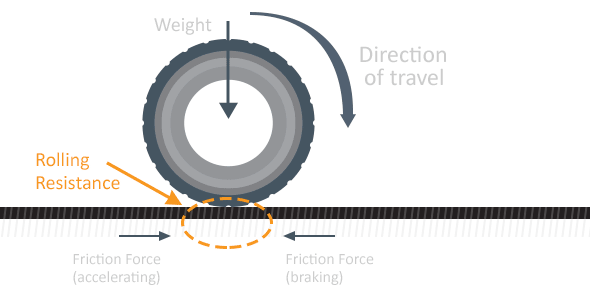
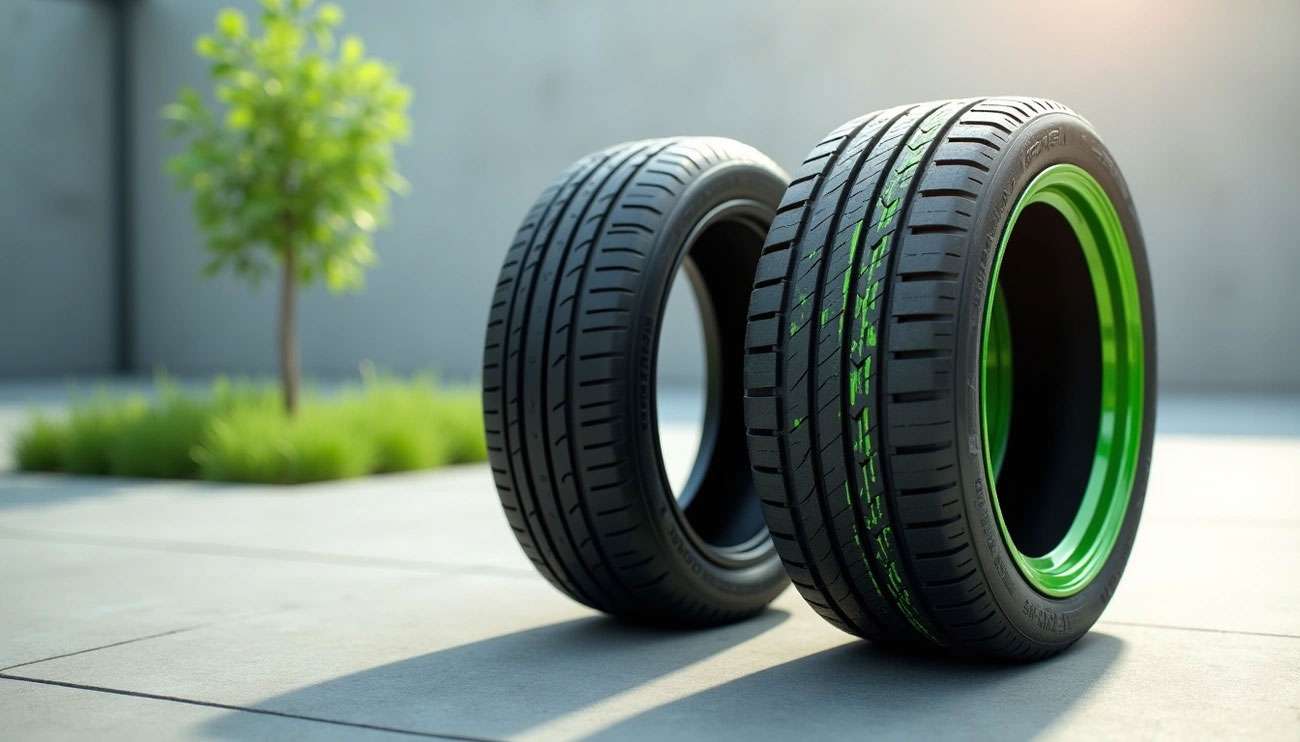
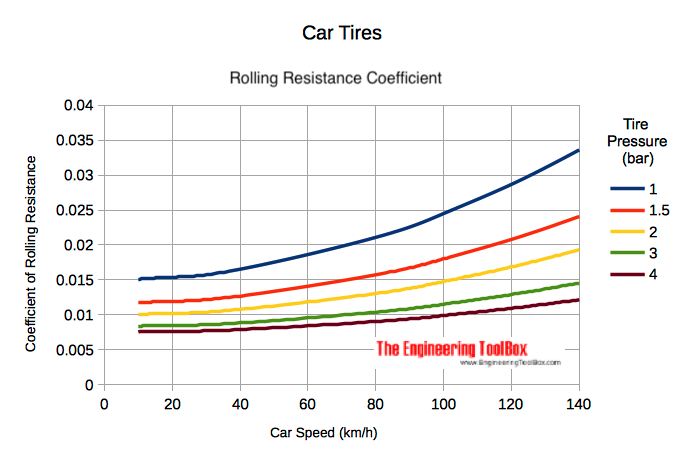
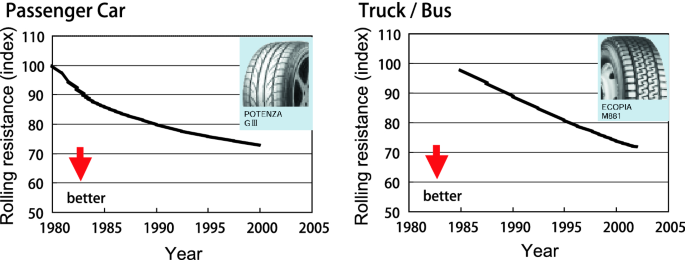
[Inference] Tires with low rolling resistance can help improve fuel efficiency.
- Less resistance → Less engine effort → Better mileage
- Often labeled as eco-friendly or fuel-efficient tires
This is useful for daily commuters.
🛠️ Warranty and Brand Reputation
Always check:
- Warranty period
- Brand reputation
- After-sales service
Well-known brands usually offer better quality control and support.
⚖️ Tubeless vs Tube Tires
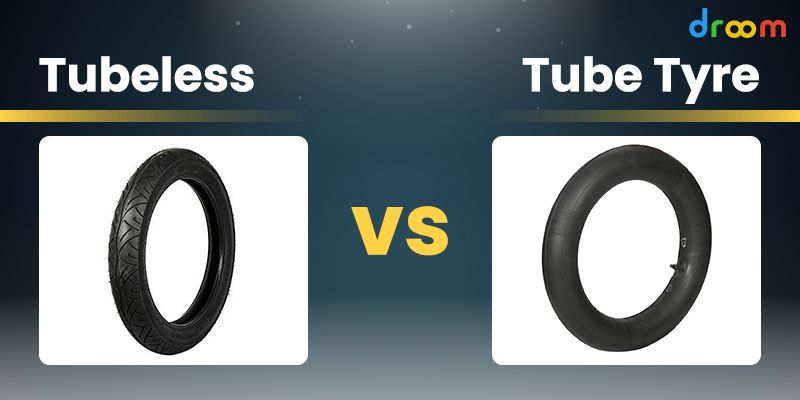
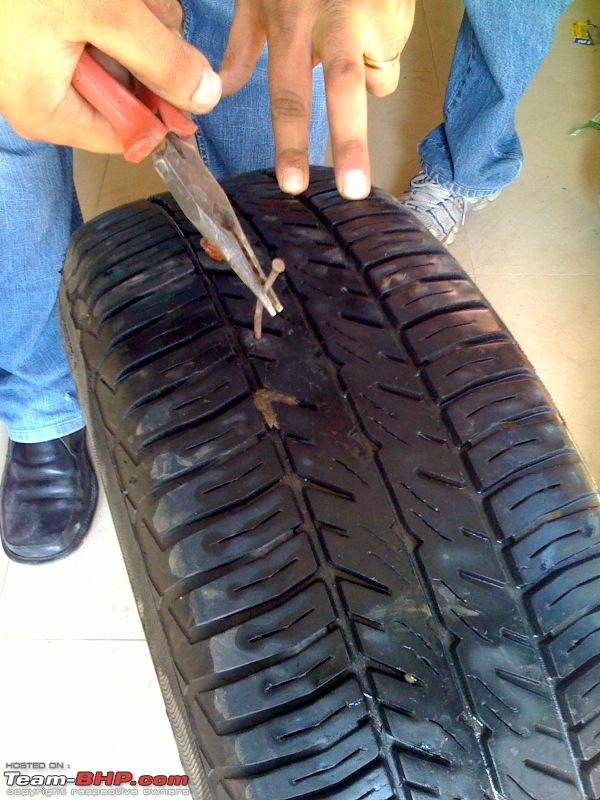
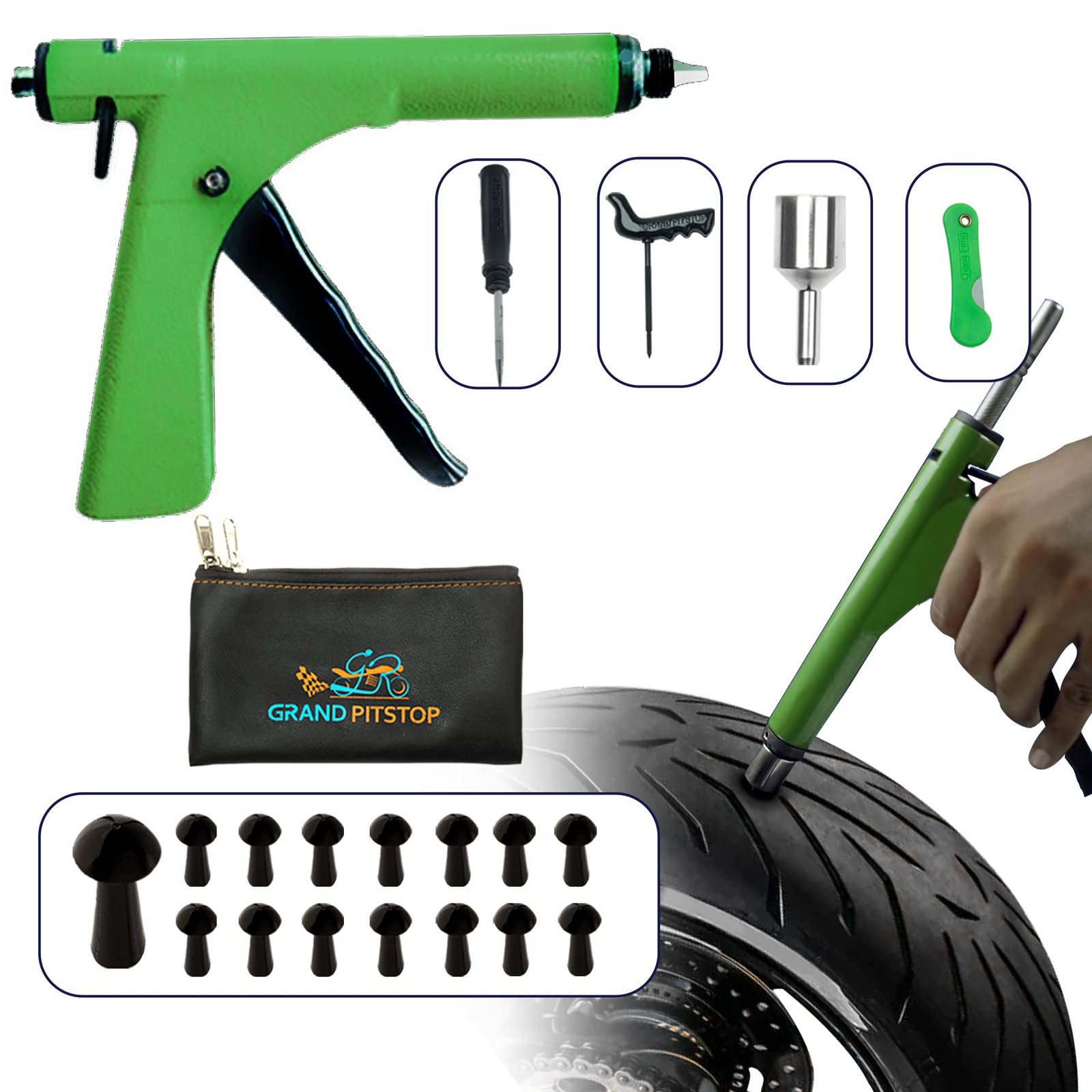
Tubeless Tires (Recommended):
- Safer during punctures
- Less air loss
- Better heat resistance
Tube Tires:
- Older technology
- More prone to sudden air loss
Most modern cars use tubeless tires.
🔄 Check Load Index and Speed Rating
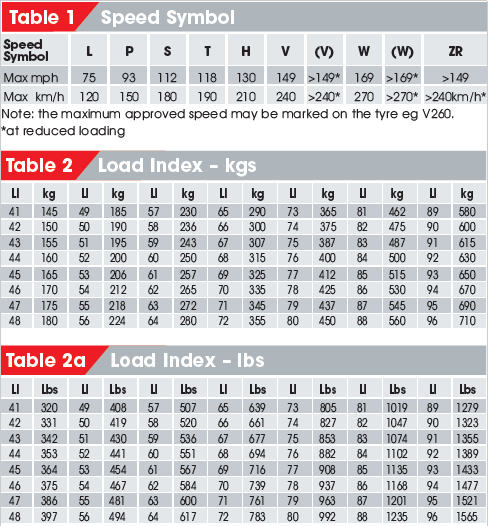

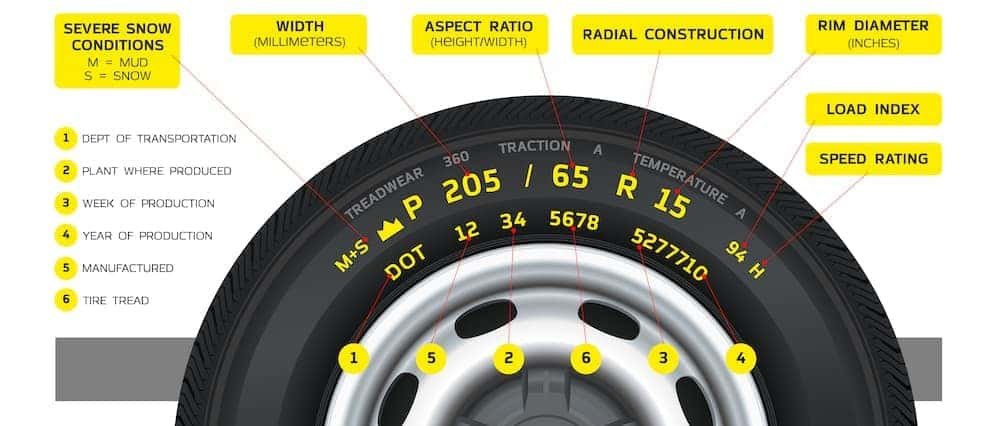
Every tire has:
- Load Index – Maximum weight it can carry
- Speed Rating – Maximum safe speed
Make sure the new tires match or exceed your car’s requirements.
✅ Conclusion
Buying car tires is a technical decision that should not be taken lightly. From choosing the correct size and type to checking manufacturing date, grip, and durability—every factor plays a role in your vehicle’s safety and performance.
[Inference] A well-chosen tire not only enhances driving comfort but also contributes to better fuel efficiency and longer lifespan.
Take time to research, compare options, and consult experts if needed. Investing in the right tires is ultimately an investment in your safety and driving experience.