

Introduction
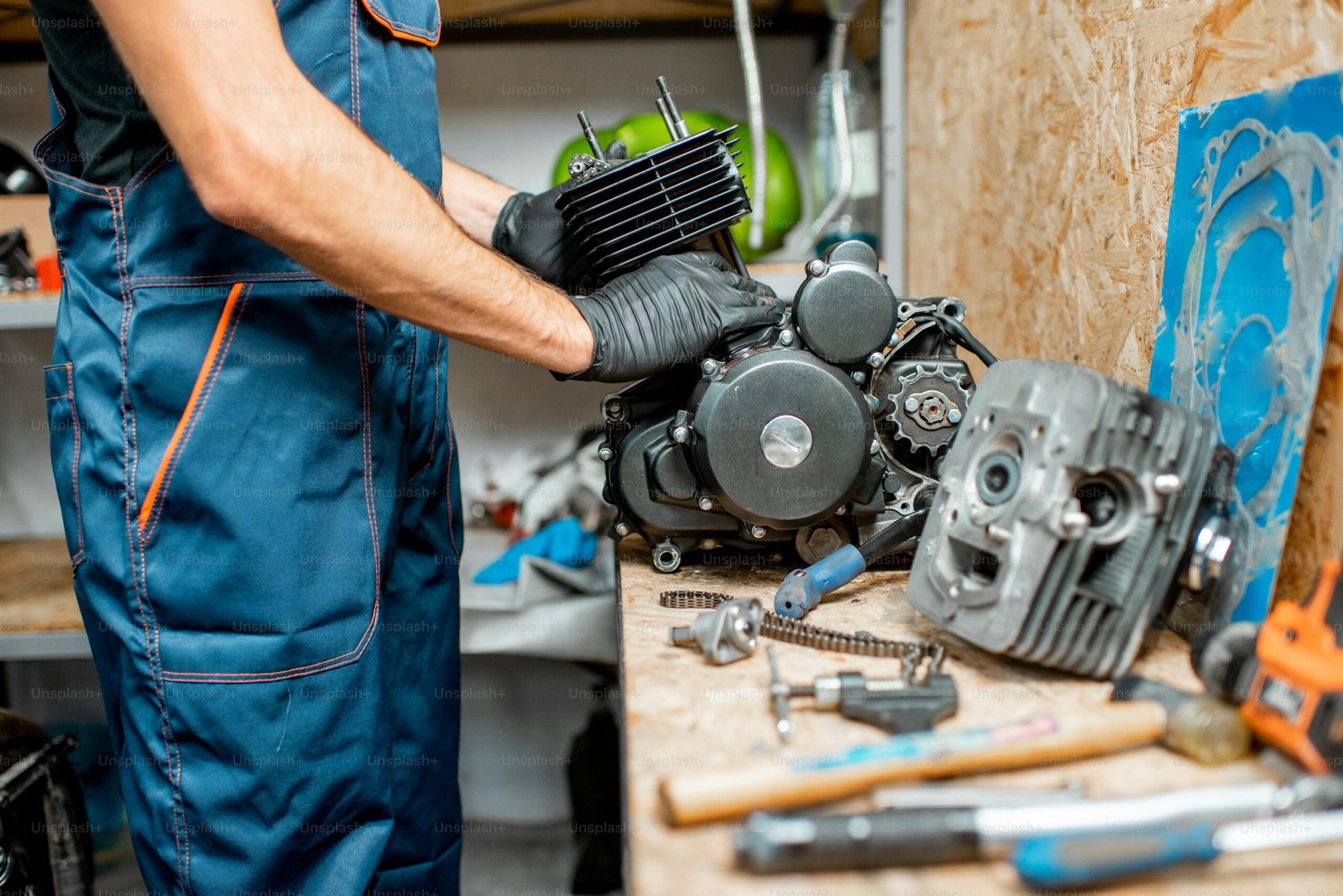
The engine is the most important component of any vehicle. It generates the power required to move the car and operates several essential systems within the vehicle. Because of its complexity and constant operation, the engine requires proper care and maintenance to perform efficiently.
Regular engine maintenance helps ensure smooth performance, improves fuel efficiency, and reduces the risk of costly repairs. Neglecting engine maintenance can lead to overheating, reduced power, increased fuel consumption, and even complete engine failure.
Understanding how to maintain your car engine properly can extend its lifespan and keep your vehicle running reliably. This article explains practical steps and maintenance practices that help improve engine performance and longevity.
Importance of Engine Maintenance
A well-maintained engine performs more efficiently and lasts longer. Maintenance helps prevent wear and tear on internal components and ensures that all systems work properly.
Some important benefits of engine maintenance include:
- Improved fuel efficiency
- Reduced engine wear
- Lower repair costs
- Better vehicle performance
- Increased engine lifespan
Routine maintenance also helps detect problems early before they become serious mechanical issues.
Regular Engine Oil Changes
Engine oil plays a vital role in keeping the engine running smoothly. It lubricates moving parts, reduces friction, and prevents overheating.
Over time, engine oil becomes dirty and loses its effectiveness. This can lead to increased friction and engine damage.
To maintain proper engine performance:
- Change engine oil regularly according to the manufacturer’s recommendation.
- Replace the oil filter during each oil change.
- Use the correct type of oil specified for your vehicle.
Clean oil helps maintain smooth engine operation and prevents internal wear.
Check and Replace Air Filters
The engine requires a steady supply of clean air for efficient combustion. The air filter prevents dust, dirt, and debris from entering the engine.
A clogged or dirty air filter can reduce airflow and affect engine performance. This may result in reduced fuel efficiency and slower acceleration.
Air filters should be inspected regularly and replaced when they become dirty. Clean air filters improve combustion and engine efficiency.
Maintain the Cooling System


The engine produces a large amount of heat during operation. The cooling system prevents the engine from overheating.
Key components of the cooling system include:
- Radiator
- Coolant fluid
- Water pump
- Cooling fan
Coolant circulates through the engine and absorbs heat. The radiator then releases the heat into the air.
To maintain the cooling system:
- Check coolant levels regularly.
- Inspect radiator hoses for leaks or damage.
- Replace coolant according to maintenance schedules.
A properly functioning cooling system prevents engine overheating and protects internal components.
Inspect Spark Plugs
Spark plugs are responsible for igniting the fuel-air mixture inside the engine cylinders.
Over time, spark plugs wear out or become dirty. This can cause engine misfires, reduced fuel efficiency, and difficulty starting the car.
Regular inspection and replacement of spark plugs ensure efficient combustion and smooth engine performance.
Most vehicles require spark plug replacement after a specific mileage recommended by the manufacturer.
Monitor Engine Belts and Hoses
Engine belts and hoses connect various components and help operate systems such as the alternator, water pump, and air conditioning.
Over time, belts may crack or become loose, while hoses may develop leaks.
Regular inspection helps identify worn belts or damaged hoses before they fail.
Replacing worn belts and hoses prevents engine breakdowns and maintains proper system operation.
Use Quality Fuel
Using good-quality fuel improves engine performance and prevents buildup of harmful deposits inside the engine.
Poor-quality fuel can cause problems such as:
- Reduced engine efficiency
- Fuel injector clogging
- Increased emissions
Many vehicles also benefit from occasional fuel system cleaning to maintain optimal performance.
Following manufacturer fuel recommendations helps protect engine components.
Maintain Proper Engine Temperature
Maintaining the correct engine temperature is essential for optimal performance.
If the engine runs too hot, it may cause overheating and damage internal components.
If the engine runs too cold, it may operate inefficiently and consume more fuel.
Regularly checking coolant levels, radiator performance, and thermostat function helps maintain proper engine temperature.
Keep the Engine Clean
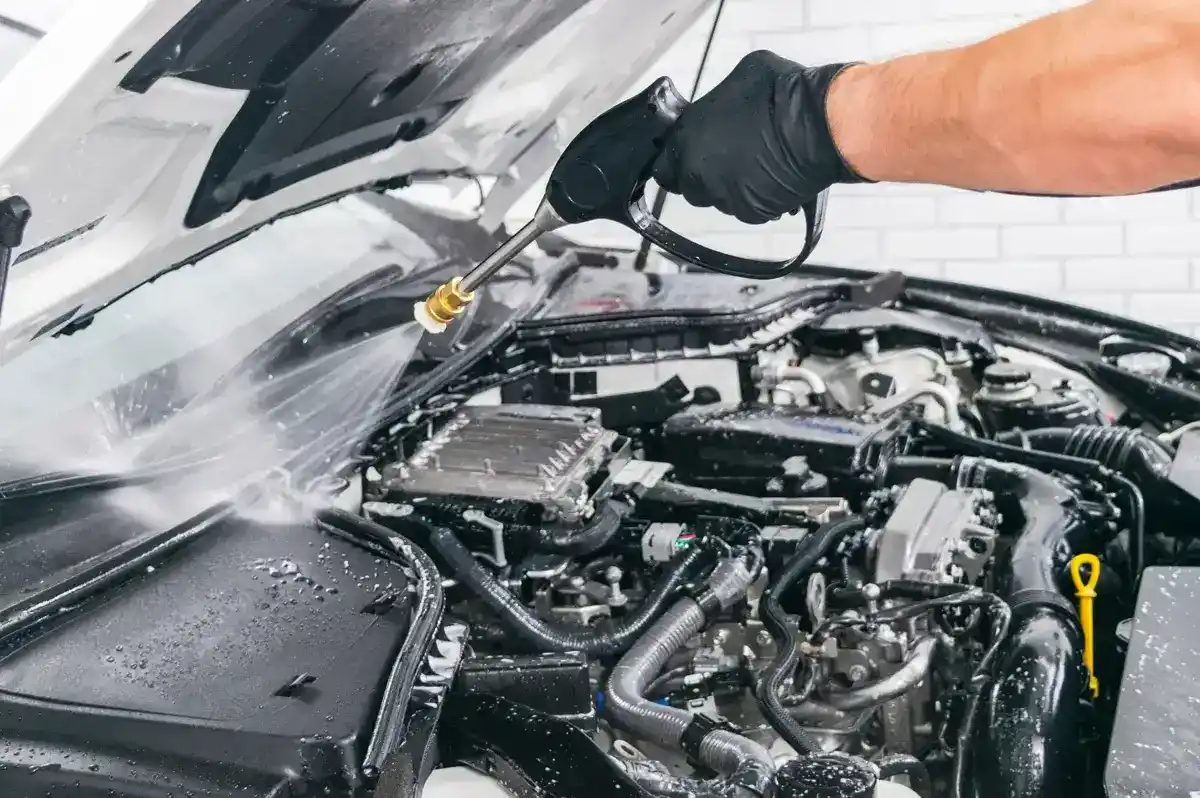
Keeping the engine clean helps identify leaks and maintain proper airflow around engine components.
Dirt, oil, and debris can accumulate around the engine over time.
Cleaning the engine bay occasionally helps improve heat dissipation and makes it easier to detect problems such as oil leaks or damaged parts.
However, engine cleaning should be done carefully to avoid damaging electrical components.
Check Engine Warning Lights
Modern vehicles are equipped with dashboard warning lights that indicate potential engine problems.
The check engine light alerts drivers when the vehicle’s computer detects an issue.
Ignoring warning lights may lead to serious mechanical problems.
If a warning light appears, the vehicle should be inspected to identify the cause.
Warm Up the Engine Properly
Starting a vehicle and immediately driving aggressively can put stress on the engine.
Allowing the engine to run briefly before driving helps oil circulate through internal components.
This reduces friction and ensures proper lubrication.
However, modern engines do not require long warm-up periods; a short idle time is usually sufficient.
Avoid Aggressive Driving
Driving habits have a significant impact on engine health.
Aggressive driving behaviors such as:
- Rapid acceleration
- Sudden braking
- High-speed driving
can increase stress on the engine.
Smooth and steady driving helps reduce engine wear and improves fuel efficiency.
Follow Manufacturer Maintenance Schedule
Vehicle manufacturers provide maintenance schedules that specify when different services should be performed.
These schedules include:
- Oil changes
- Filter replacements
- Fluid inspections
- Belt and hose checks
Following the recommended schedule ensures that the engine receives proper care.
Benefits of Proper Engine Maintenance
Maintaining the engine properly provides several advantages:
- Reliable vehicle performance
- Lower repair costs
- Improved fuel economy
- Reduced emissions
- Longer engine lifespan
Regular maintenance also improves driving comfort and safety.
Common Signs of Engine Problems
Drivers should watch for signs that may indicate engine issues.
Common symptoms include:
- Unusual engine noises
- Excessive smoke from the exhaust
- Reduced engine power
- Poor fuel efficiency
- Engine overheating
If any of these symptoms appear, the engine should be inspected as soon as possible.
Conclusion
Proper engine maintenance is essential for keeping a vehicle running smoothly and efficiently. Regular oil changes, air filter replacements, coolant checks, and spark plug inspections help maintain optimal engine performance.
Maintaining the cooling system, monitoring belts and hoses, and using high-quality fuel further protect the engine from damage. Good driving habits and adherence to manufacturer maintenance schedules also play a significant role in engine health.
By taking care of the engine and addressing problems early, drivers can extend the lifespan of their vehicles and enjoy reliable performance for many years.
.