

Introduction
The braking system is one of the most important safety components in any vehicle. Whether it is a car or a motorcycle, brakes allow the driver or rider to slow down or stop the vehicle safely. Without an effective braking system, controlling a vehicle would be extremely dangerous.
Brakes work by converting the vehicle’s kinetic energy (movement) into heat energy through friction. This friction slows down the rotation of the wheels, which gradually stops the vehicle.
Modern vehicles use advanced braking systems designed to provide reliable stopping power, even at high speeds. Understanding how the braking system works helps drivers and riders maintain their vehicles properly and recognize potential problems early.
This article explains how braking systems function in cars and motorcycles, the major components involved, and how they work together to stop a vehicle safely.
Basic Principle of Braking
When a vehicle is moving, its wheels rotate at high speed. To stop the vehicle, the braking system creates friction against these rotating wheels.
This friction reduces the wheel’s rotation speed and eventually stops the vehicle.
The braking process involves several steps:
- The driver presses the brake pedal (or brake lever on a motorcycle).
- Hydraulic pressure is created in the braking system.
- Brake pads press against a rotating disc or drum.
- Friction slows the wheels and stops the vehicle.
This entire process happens within seconds when brakes are applied.
Main Components of a Braking System


Several important components work together in the braking system.
Brake Pedal or Brake Lever
The brake pedal in cars and the brake lever in motorcycles are the controls used to activate the braking system.
When the driver presses the brake pedal, mechanical force is transferred to the braking system.
In motorcycles, riders use hand levers and foot pedals to operate the brakes.
Master Cylinder
The master cylinder converts mechanical force from the brake pedal into hydraulic pressure.
Inside the master cylinder is brake fluid. When the brake pedal is pressed, the master cylinder pushes the fluid through brake lines toward the wheels.
This hydraulic pressure allows braking force to be applied evenly.
Brake Lines
Brake lines are tubes that carry brake fluid from the master cylinder to the braking components at each wheel.
These lines must remain sealed and free from leaks to maintain proper pressure in the braking system.
Brake Caliper
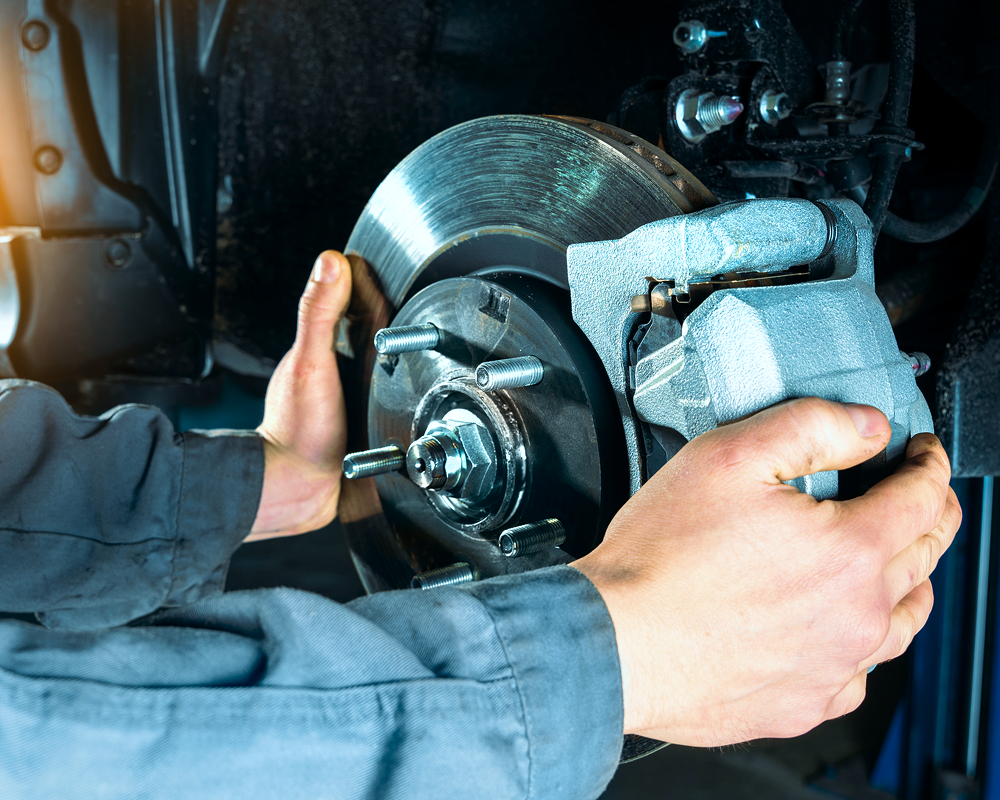
The brake caliper is a component that holds the brake pads and presses them against the rotating disc.
When hydraulic pressure reaches the caliper, it forces the brake pads to clamp onto the disc rotor.
This contact produces friction that slows down the wheel.
Brake Pads
Brake pads are friction materials that press against the brake disc.
They are designed to withstand high temperatures and wear over time.
As brake pads wear down, they must be replaced to maintain braking efficiency.
Brake Disc (Rotor)
The brake disc, also called the rotor, is attached to the wheel. When the brake pads press against the rotor, friction slows its rotation.
Disc brakes provide strong stopping power and good heat dissipation.
Most modern cars and motorcycles use disc brakes.
Types of Braking Systems
Vehicles may use different types of braking systems depending on design and performance requirements.
Disc Brakes
Disc brakes are the most common braking system used in modern vehicles.
In this system:
- Brake pads press against a rotating disc
- Friction slows the wheel
- Heat is released through the disc
Advantages of disc brakes include:
- Strong braking power
- Better cooling
- Reliable performance in wet conditions
Drum Brakes
Drum brakes are older braking systems still used in some vehicles, especially on rear wheels.
In drum brakes:
- Brake shoes press outward against the inside of a rotating drum
- Friction slows the drum and wheel
Although drum brakes are less powerful than disc brakes, they are cheaper and durable.
Anti-lock Braking System (ABS)
Modern vehicles often include Anti-lock Braking Systems (ABS).
ABS prevents the wheels from locking during sudden braking.
When wheels lock, the vehicle may skid and lose steering control. ABS rapidly adjusts brake pressure to maintain traction and control.
Benefits of ABS include:
- Improved vehicle control
- Reduced skidding
- Shorter stopping distance in some conditions
Many modern motorcycles also use ABS for improved safety.
Braking System in Cars
Cars usually have four braking systems—one for each wheel.
When the driver presses the brake pedal:
- Hydraulic pressure is generated in the master cylinder.
- Brake fluid travels through brake lines.
- Calipers press brake pads against rotors.
- Wheels slow down simultaneously.
This coordinated braking ensures balanced stopping power.
Braking System in Motorcycles
Motorcycles typically have two braking systems:
- Front brake
- Rear brake
The front brake provides most of the stopping power because weight shifts forward during braking.
The rear brake helps stabilize the motorcycle and assists in stopping.
Riders must use both brakes properly to stop safely.
Heat Generation During Braking
Braking produces a large amount of heat because of friction between brake pads and rotors.
At high speeds or during repeated braking, the braking system can become very hot.
To manage heat:
- Brake rotors are designed with ventilation holes
- Materials used in brake pads resist high temperatures
- Cooling airflow helps dissipate heat
Proper heat management prevents brake failure.
Importance of Brake Maintenance
The braking system must always remain in good condition to ensure safety.
Regular brake maintenance includes:
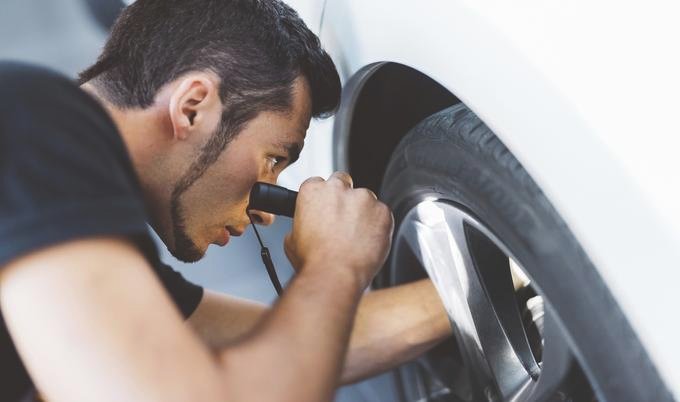
- Inspecting brake pads
- Checking brake fluid levels
- Inspecting brake lines for leaks
- Replacing worn rotors or drums
- Checking brake calipers
Ignoring brake maintenance can lead to reduced stopping power and potential accidents.
Signs of Brake Problems
Drivers and riders should watch for signs that indicate brake issues.
Common warning signs include:
- Squealing or grinding noises when braking
- Vibrations in the brake pedal
- Reduced braking power
- Brake warning lights on the dashboard
- Soft or spongy brake pedal
If any of these symptoms appear, the braking system should be inspected immediately.
Safe Braking Techniques
Proper braking techniques improve safety and reduce wear on braking components.
Drivers should:
- Brake gradually rather than suddenly
- Maintain safe distance from other vehicles
- Use engine braking when appropriate
- Avoid excessive braking on long downhill roads
Motorcycle riders should apply both front and rear brakes smoothly for balanced stopping.
Benefits of a Reliable Braking System
A properly functioning braking system provides several benefits.
These include:
- Increased road safety
- Better vehicle control
- Reduced risk of accidents
- Improved driving confidence
Reliable brakes allow drivers to react quickly to unexpected situations.
Conclusion
The braking system is one of the most essential safety features in cars and motorcycles. It works by converting the vehicle’s movement into heat through friction, which slows and eventually stops the wheels.
Components such as brake pedals, master cylinders, brake lines, calipers, pads, and rotors all work together to create this braking force. Modern technologies like ABS further enhance braking performance and vehicle control.
Regular maintenance and proper driving habits ensure that the braking system remains reliable and effective. By understanding how brakes work, drivers and riders can take better care of their vehicles and maintain safer driving practices on the road