Common Mistakes to Avoid When Buying Car Tires
Buying car tires seems simple, but many car owners unknowingly make mistakes that affect safety, performance, and long-term costs. Even a small wrong decision—like choosing the wrong size or ignoring tire age—can lead to poor grip, reduced mileage, or faster wear. Understanding these common mistakes will help you make a smarter and safer purchase.
❌ Ignoring the Recommended Tire Size

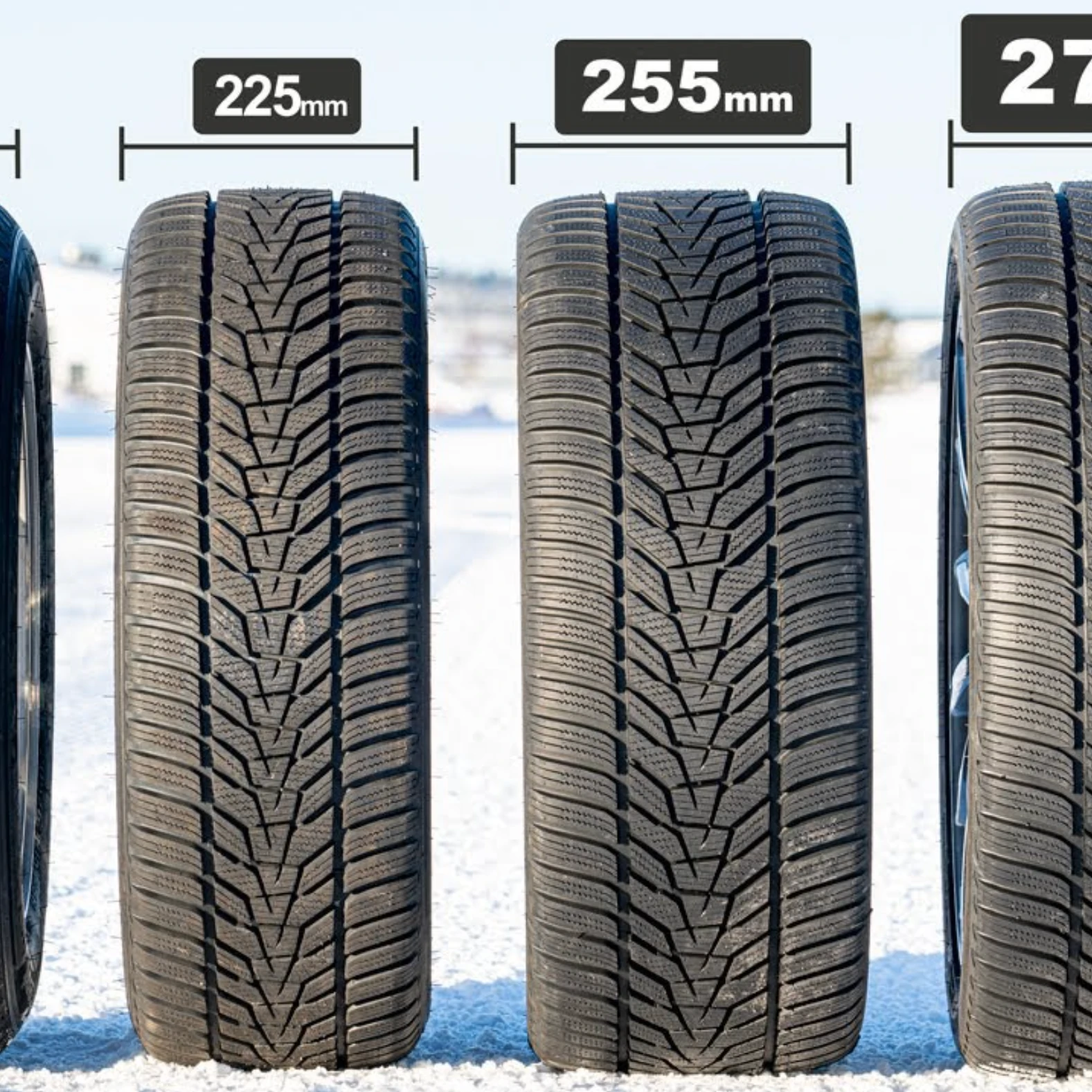


One of the most frequent mistakes is choosing the wrong tire size.
Many people:
- Upsize tires for looks
- Downsize to save money
However, incorrect sizing can:
- Affect speedometer accuracy
- Reduce fuel efficiency
- Damage suspension components
Always follow the manufacturer-recommended tire size unless advised by a professional.
⚠️ Buying Tires Without Checking Manufacturing Date


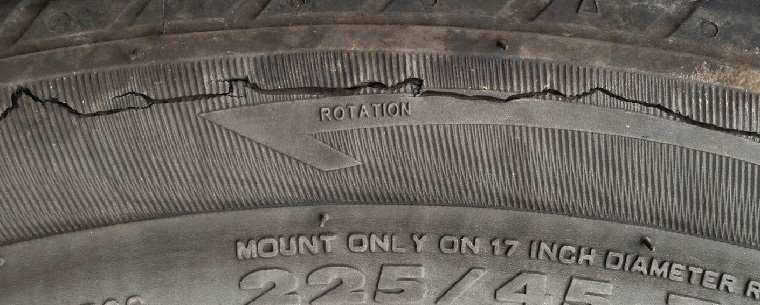
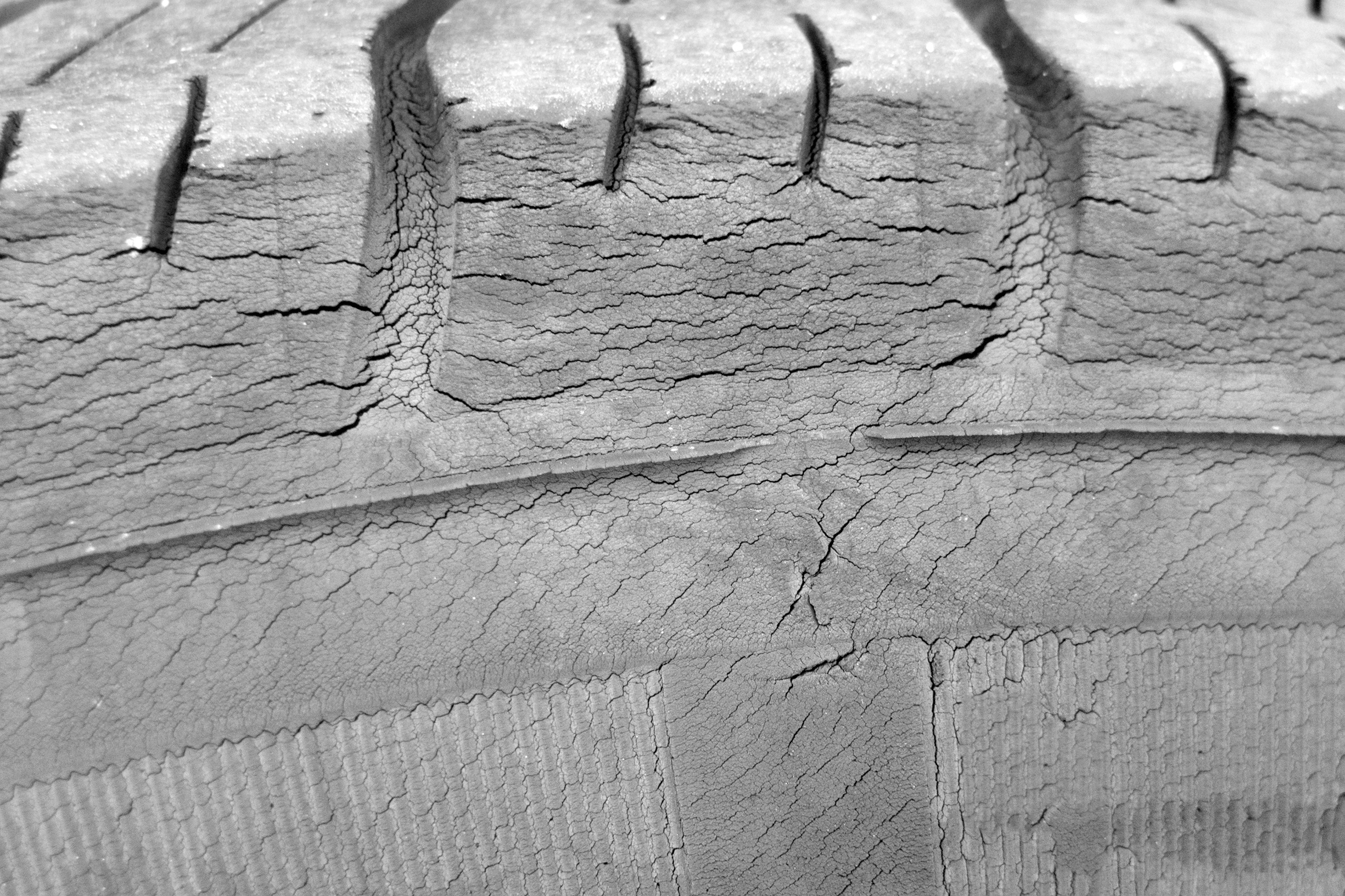
Some sellers may offer older stock at discounted prices.
- Tires harden over time
- Rubber loses flexibility
- Grip reduces significantly
[Inference] Even unused tires can degrade if stored for long periods.
Always check the DOT code and avoid old stock.
💸 Choosing Only Based on Price
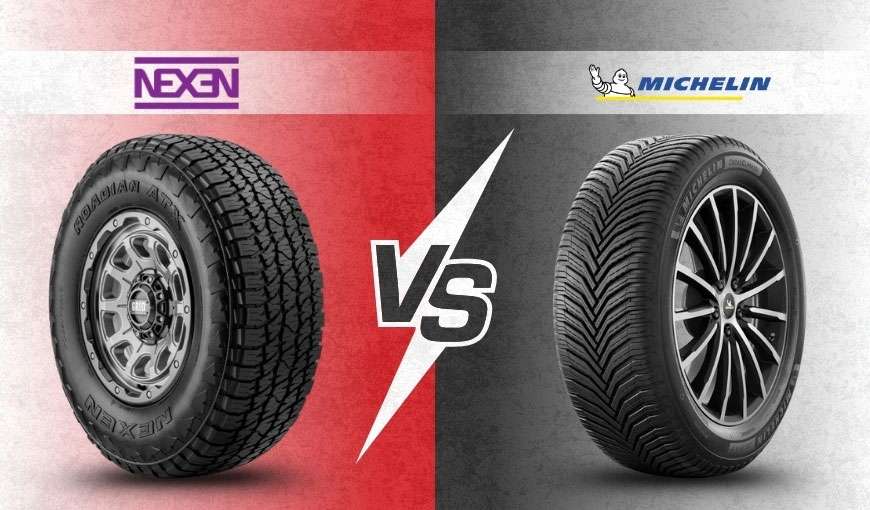



Going for the cheapest option is risky.
Cheap tires may:
- Wear out faster
- Offer poor grip
- Increase braking distance
[Inference] Spending slightly more on quality tires can reduce long-term costs and improve safety.
🛞 Replacing Only One or Two Tires



Many car owners replace only damaged tires instead of all four.
This can cause:
- Uneven grip
- Poor handling
- Increased accident risk
Best practices:
- Replace all four tires together
- Or at least replace in pairs (front or rear)
🌧️ Ignoring Weather and Road Conditions

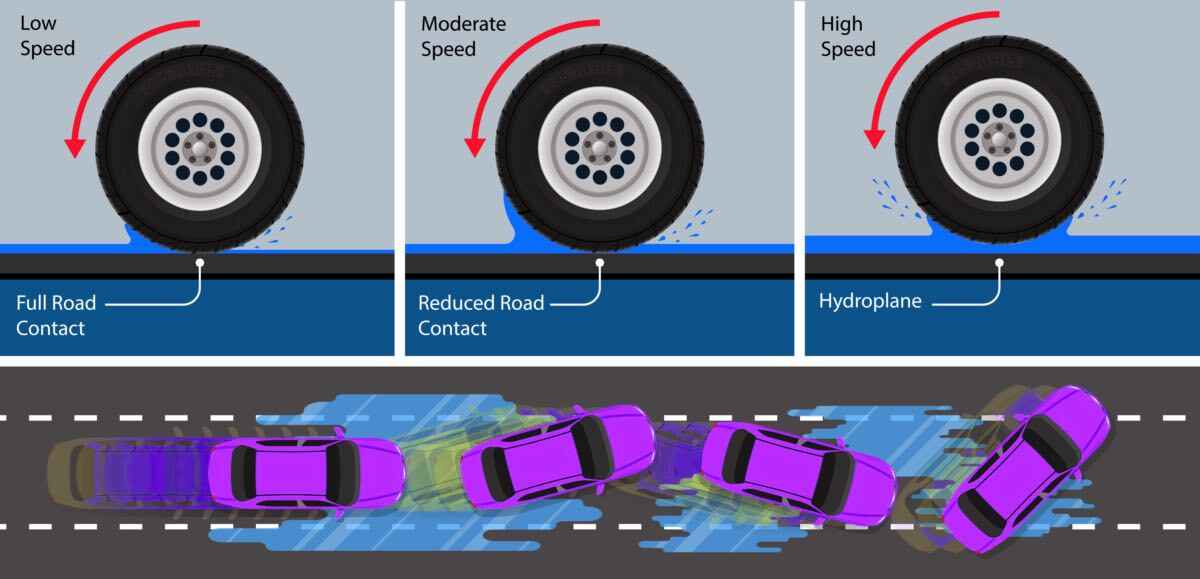

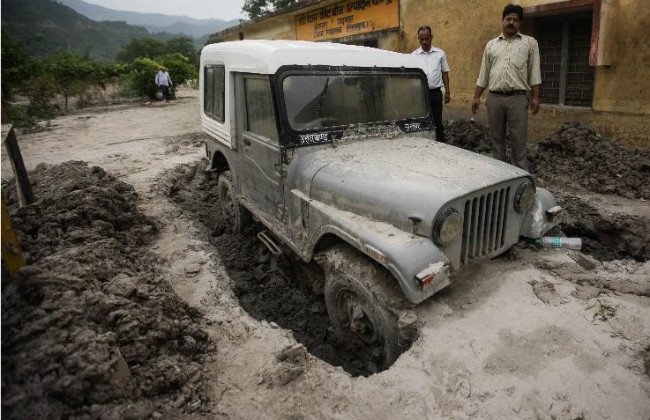
Not all tires perform equally in all conditions.
Mistake:
- Buying tires without considering climate and road usage
For example:
- Smooth tires → Poor grip in rain
- Soft tires → Wear faster on rough roads
Choose tires based on your actual driving environment.
🔍 Not Checking Tread Pattern Properly
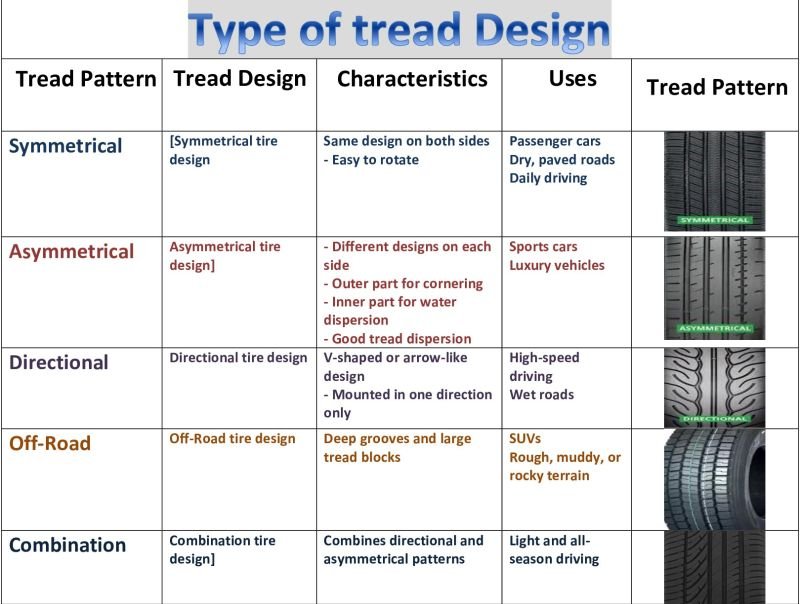
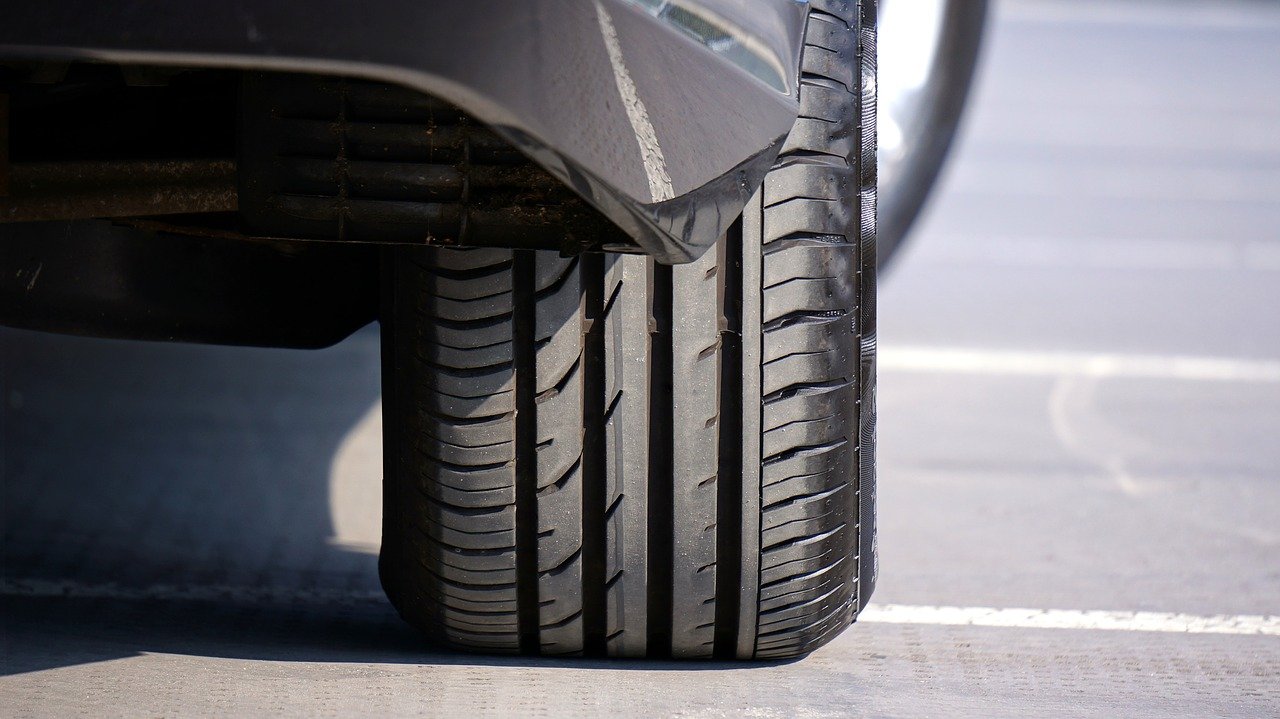
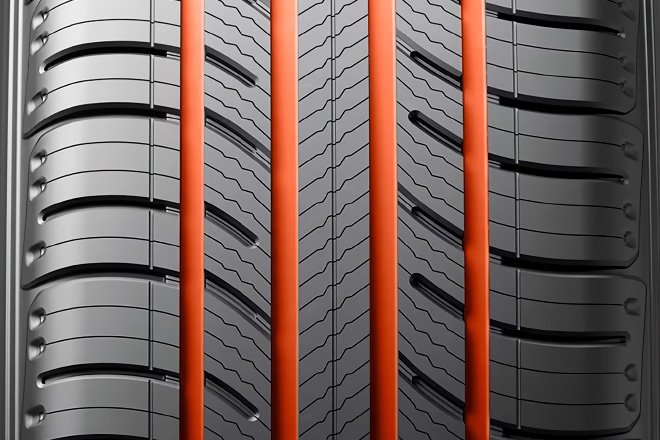
Tread design affects:
- Braking
- Cornering
- Water drainage
Mistake:
- Ignoring tread depth and pattern
Low-quality tread can lead to skidding, especially on wet roads.
🔇 Ignoring Noise and Comfort Factors
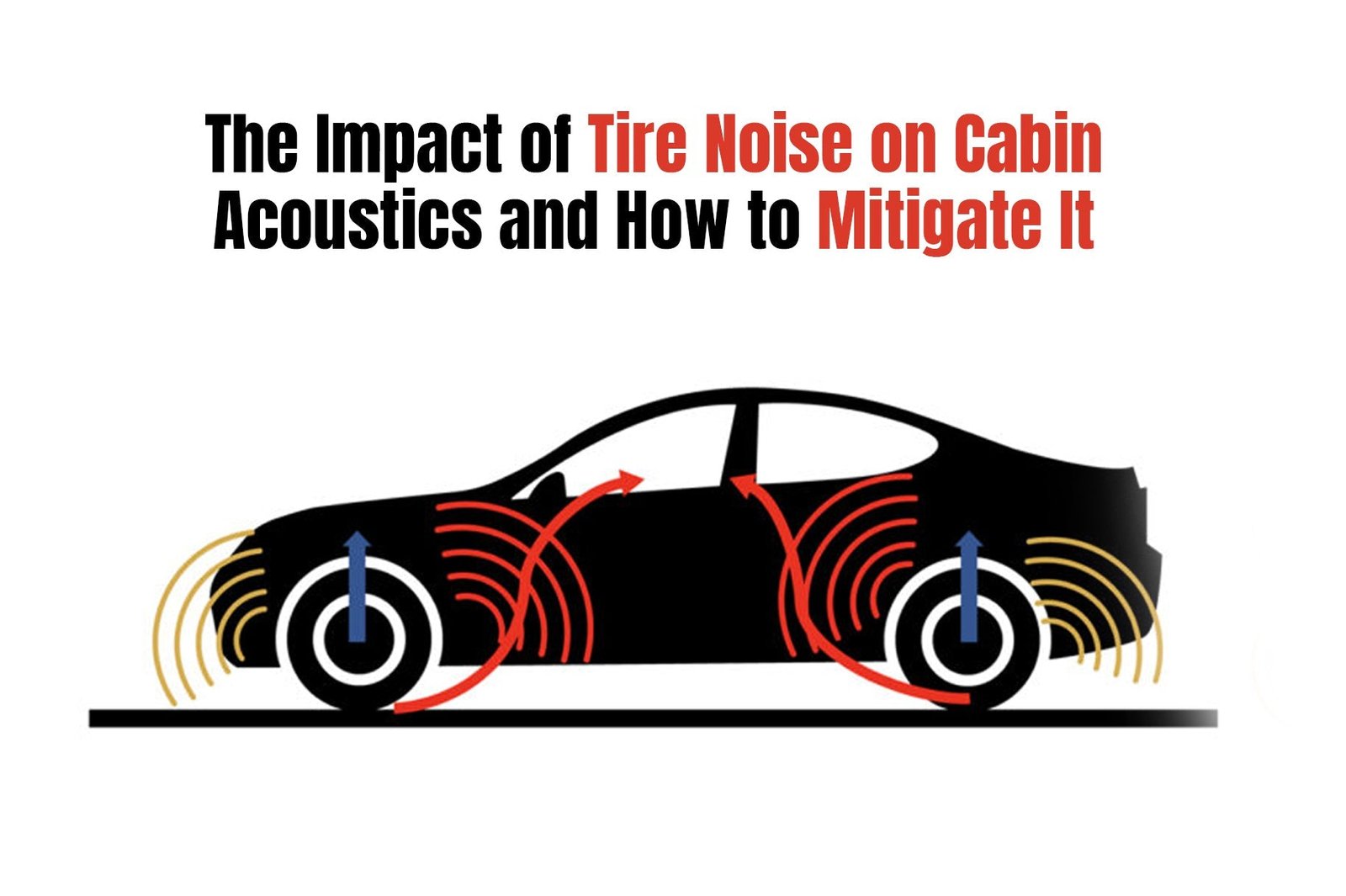

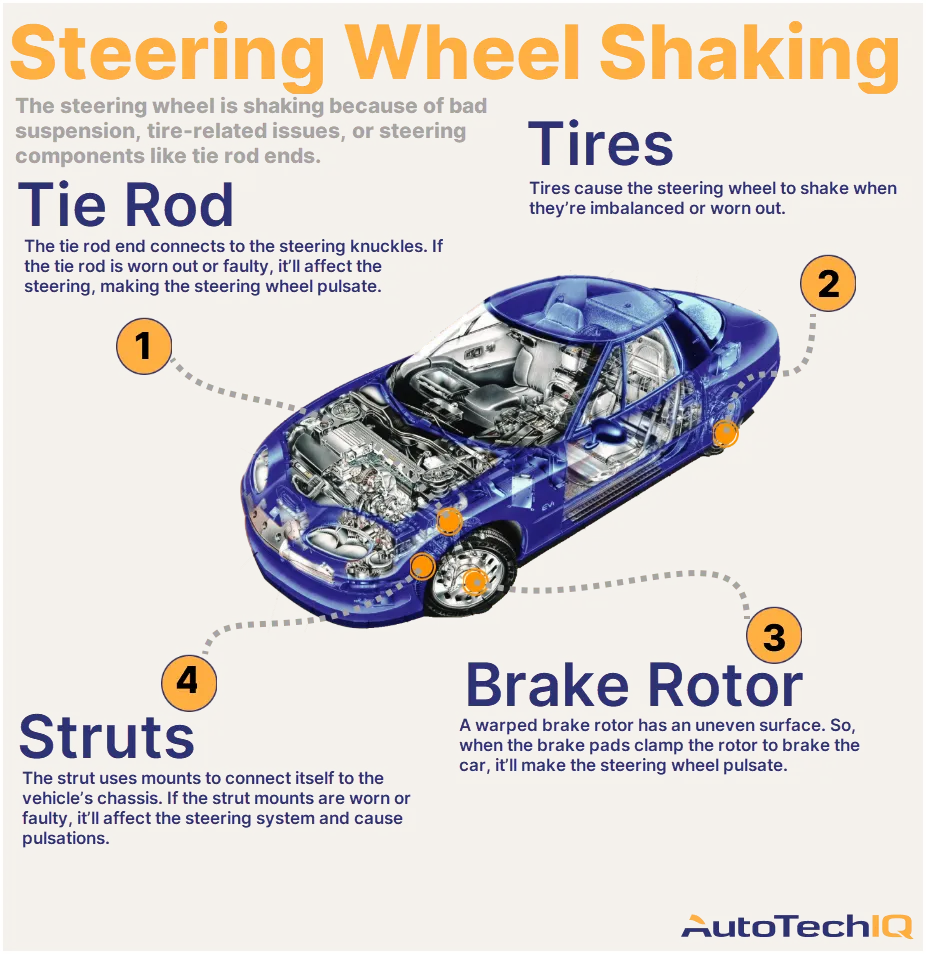
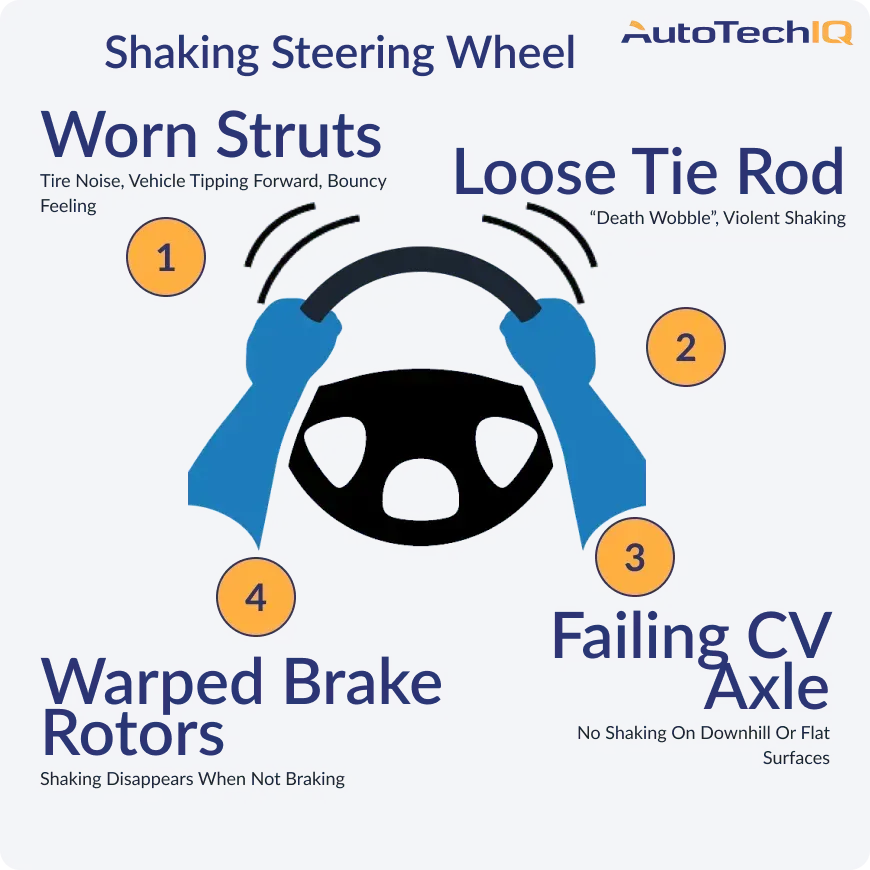
Some tires create more road noise and vibrations.
Mistake:
- Not considering comfort
This becomes noticeable during:
- Long drives
- Highway travel
Choose tires designed for low noise and smoother ride if comfort matters.
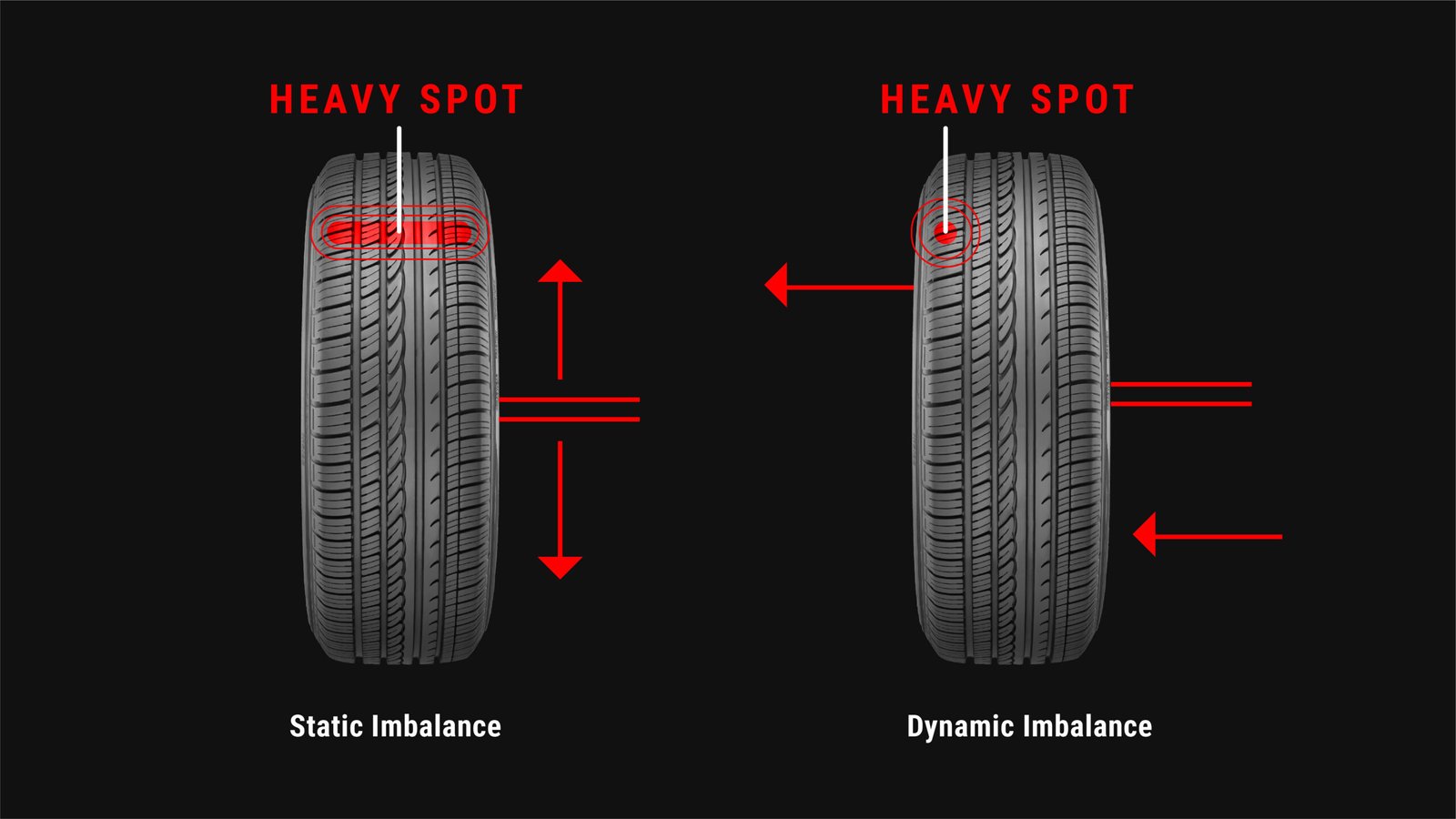
⚙️ Not Checking Wheel Alignment and Balancing
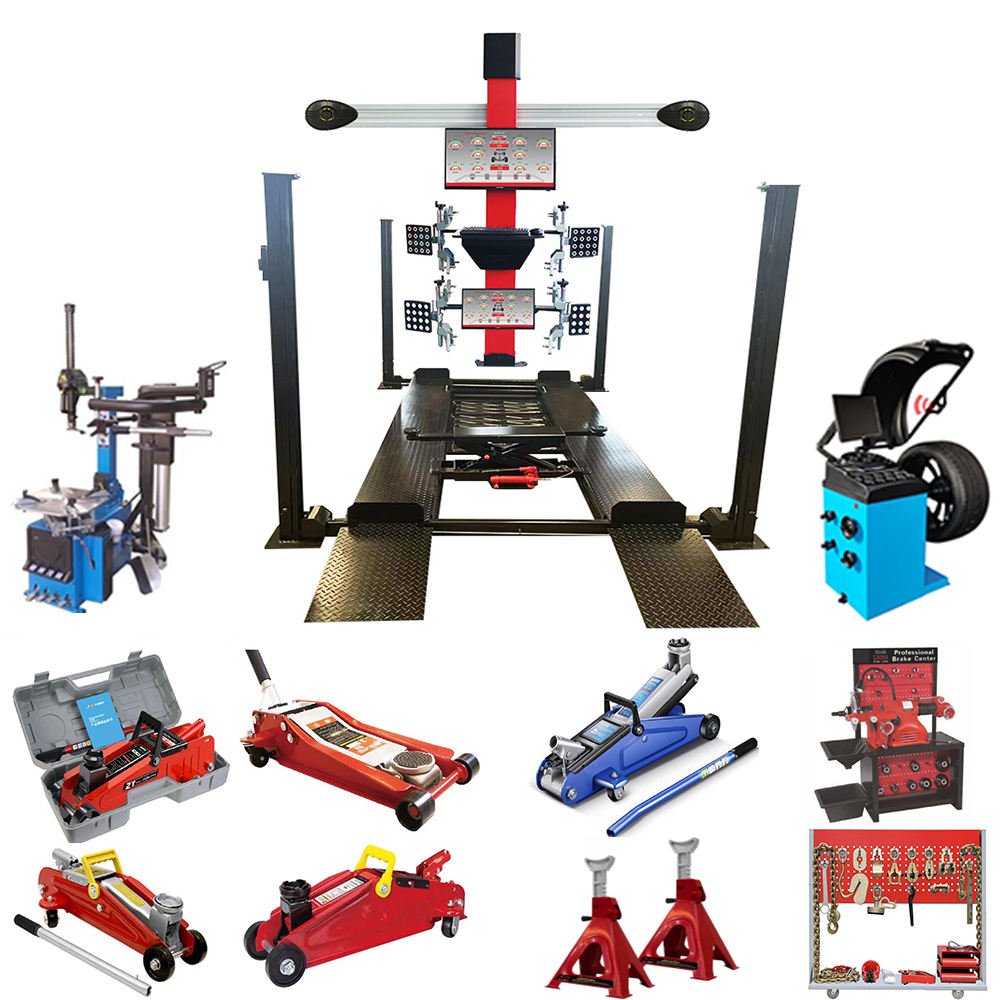


Even the best tires won’t perform well if:
- Wheel alignment is off
- Balancing is incorrect
Mistake:
- Installing new tires without alignment and balancing
This leads to:
- Uneven wear
- Steering issues
- Reduced tire life
🧾 Ignoring Warranty and After-Sales Support
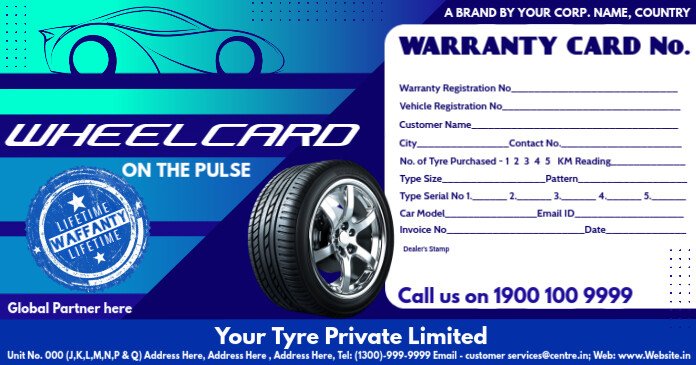

Many buyers forget to check warranty details.
Mistake:
- Not asking about:
- Warranty period
- Replacement policies
- Service support
A good warranty protects your investment.
🚫 Not Checking Load Index and Speed Rating

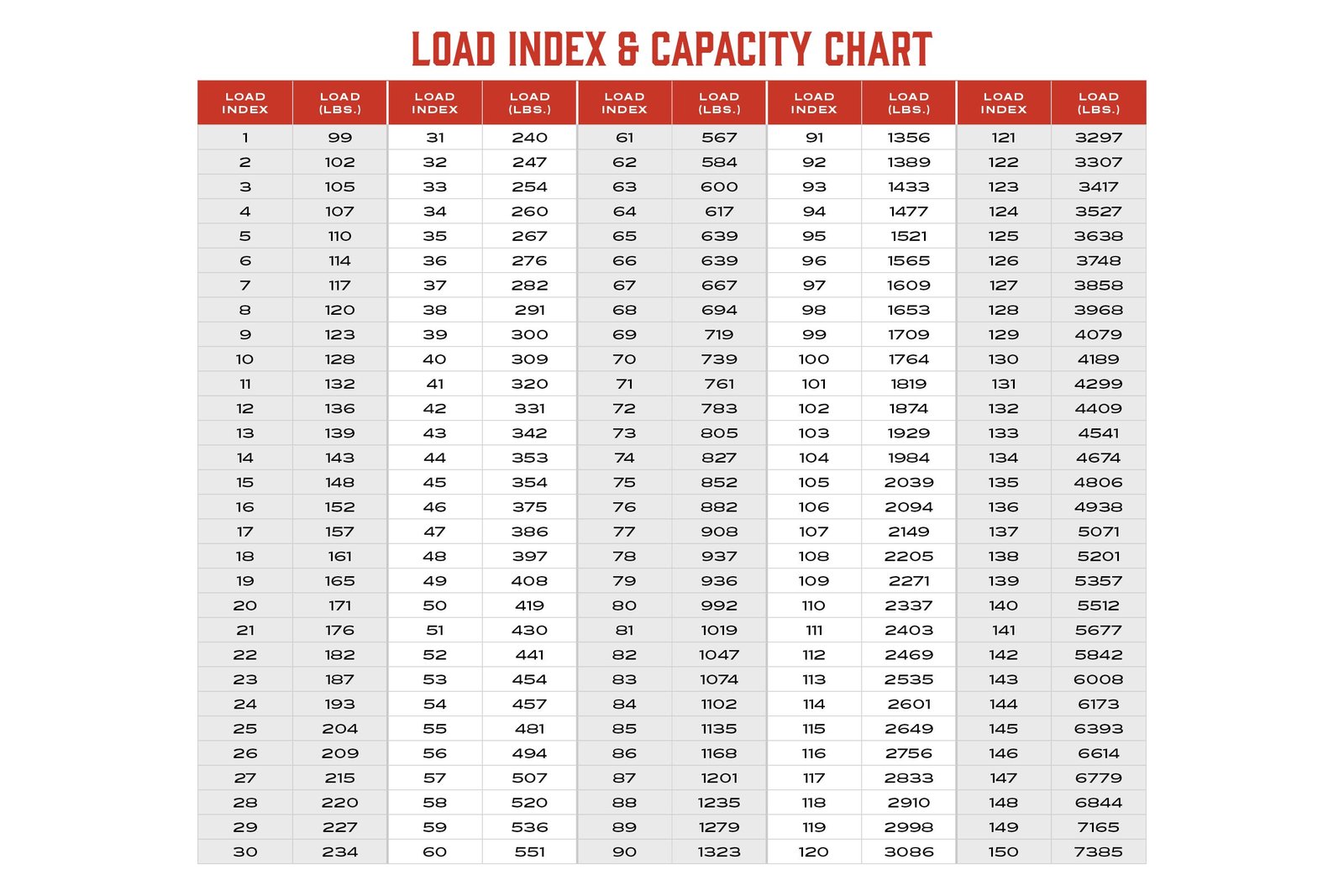
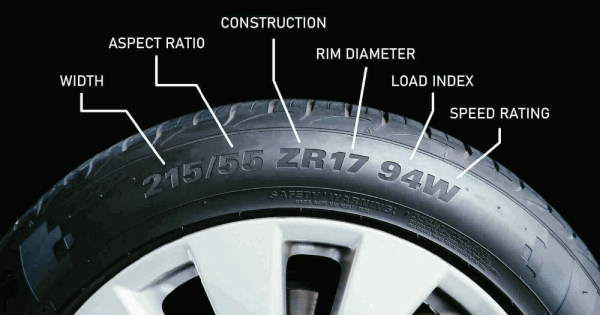

Every tire has limits.
Mistake:
- Ignoring load capacity and speed rating
This can result in:
- Tire damage
- Reduced safety at high speeds
Always match specifications with your car’s requirements.
🔄 Skipping Tire Rotation and Maintenance Knowledge

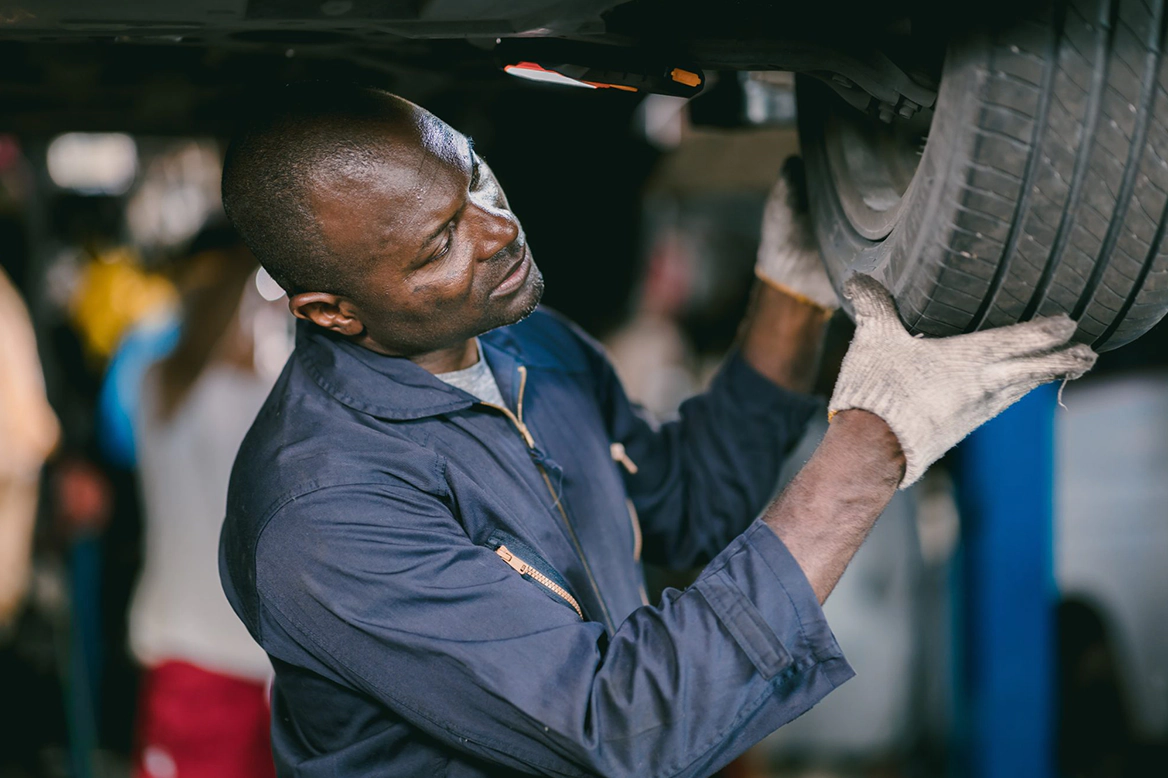
Buying good tires is not enough—you must maintain them.
Mistake:
- Not knowing about:
- Tire rotation
- Air pressure checks
- Regular inspection
[Inference] Proper maintenance extends tire life and improves performance.
✅ Conclusion
Avoiding these common mistakes can save you money, improve your driving experience, and most importantly, keep you safe on the road. Tire buying is not just about cost—it’s about compatibility, quality, and long-term value.
[Inference] Making informed decisions and maintaining your tires properly will significantly enhance vehicle performance and durability.
Before purchasing, always compare options, verify specifications, and consult a trusted dealer if needed. A little attention now can prevent major problems later.