


Introduction
Modern vehicles are complex machines made up of many mechanical and electronic systems working together. Over time, wear and tear, environmental conditions, and mechanical stress can cause various car problems. When these problems occur, professional mechanics use specialized tools and diagnostic techniques to identify and repair the issue.
Understanding common car problems and how mechanics diagnose them can help vehicle owners recognize warning signs early. Early detection can prevent small issues from becoming major and expensive repairs.
This article explains some of the most common car problems and the methods mechanics use to diagnose and fix them.
Engine Starting Problems
One of the most common issues drivers face is difficulty starting the car. When a car fails to start, several components may be responsible.
Possible causes include:
- Weak or dead battery
- Faulty starter motor
- Ignition system problems
- Fuel delivery issues
How Mechanics Diagnose It
Mechanics usually start by checking the battery voltage using a multimeter. If the battery is weak, it may need charging or replacement.
They also inspect the starter motor and ignition system to determine whether electrical power is reaching the engine properly.
Fuel system checks may also be performed to ensure that fuel is reaching the engine.
Engine Overheating
Engine overheating is another common problem that can lead to serious damage if not addressed quickly.
Overheating may occur due to:
- Low coolant levels
- Faulty radiator
- Broken water pump
- Damaged thermostat
Diagnosis Process
Mechanics check the cooling system for leaks and inspect the radiator, hoses, and coolant levels.
They may also test the thermostat and water pump to ensure coolant circulates properly through the engine.
If overheating occurs frequently, the cooling system may require repair or replacement of faulty components.
Poor Fuel Efficiency
When a vehicle consumes more fuel than usual, it may indicate a mechanical or engine-related issue.
Common causes include:
- Dirty air filter
- Faulty oxygen sensor
- Worn spark plugs
- Incorrect tire pressure
Diagnosis Process
Mechanics inspect the air intake system, fuel injectors, and spark plugs. They may also use diagnostic tools to check engine sensors that control fuel mixture.
Replacing worn components or cleaning the fuel system often restores normal fuel efficiency.
Brake System Problems
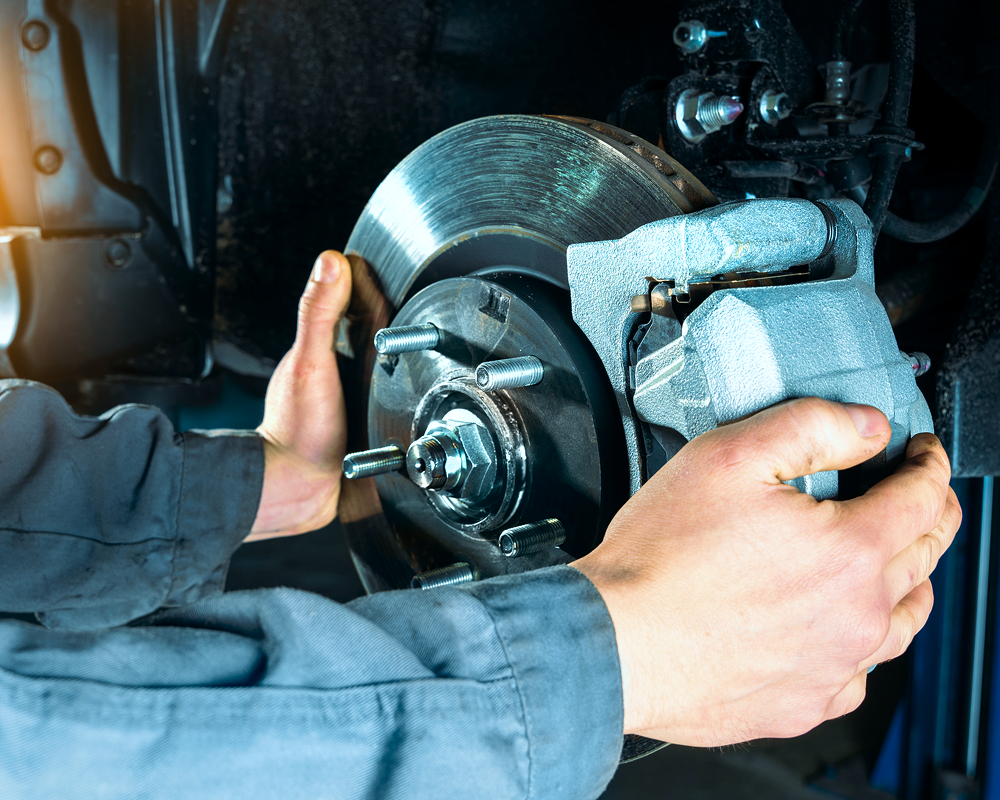


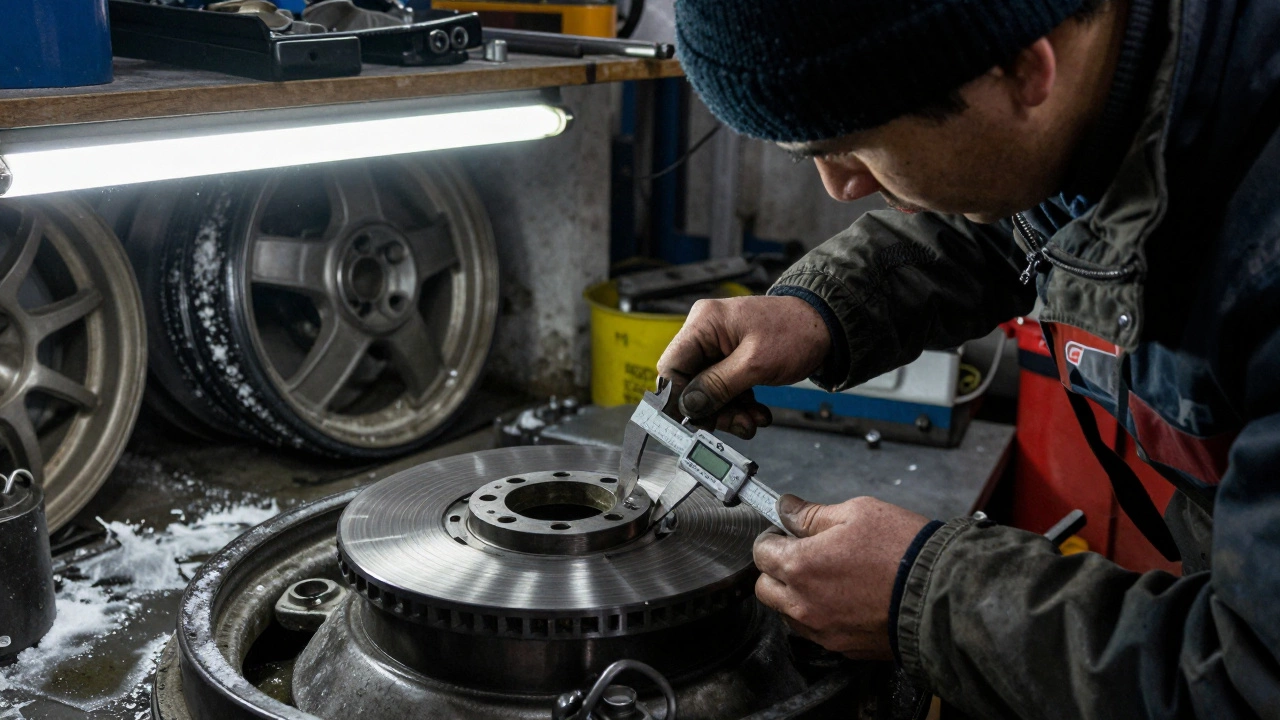
Brake problems are serious safety concerns that must be addressed immediately.
Common brake issues include:
- Squealing or grinding noises
- Vibrations during braking
- Reduced braking power
- Brake warning lights
Diagnosis Process
Mechanics inspect brake pads, brake discs, and brake fluid levels.
Worn brake pads are a common cause of noise and reduced braking performance. If brake discs are damaged or warped, they may also require replacement.
Brake system inspections ensure that vehicles remain safe to drive.
Transmission Issues
Transmission problems can affect how a vehicle accelerates or changes gears.
Common symptoms include:
- Difficulty shifting gears
- Slipping gears
- Delayed acceleration
- Strange noises from the gearbox
Diagnosis Process
Mechanics check transmission fluid levels and condition.
They may also perform diagnostic tests using specialized tools to identify internal transmission issues.
If necessary, components such as clutches, gear assemblies, or hydraulic systems may be repaired.
Electrical System Failures
Modern vehicles contain many electronic components that rely on the electrical system.
Electrical issues may cause problems such as:
- Dim headlights
- Malfunctioning dashboard indicators
- Non-working power windows or locks
- Battery warning lights
Diagnosis Process
Mechanics inspect wiring systems, battery connections, and fuses.
They may also test the alternator to ensure it is generating enough electricity to power the vehicle’s systems.
Electrical diagnostic tools help identify faults in circuits or electronic control modules.
Suspension and Steering Problems
The suspension and steering systems affect vehicle handling and comfort.
Common problems include:
- Excessive bouncing while driving
- Uneven tire wear
- Vehicle pulling to one side
- Steering wheel vibrations
Diagnosis Process
Mechanics inspect suspension components such as shock absorbers, springs, control arms, and ball joints.
Wheel alignment tests may also be performed to ensure the tires are positioned correctly.
Repairing worn suspension components improves vehicle stability and comfort.
Exhaust System Issues
The exhaust system removes gases produced during combustion.
Common exhaust problems include:
- Loud engine noise
- Reduced engine performance
- Increased emissions
- Strong exhaust smell
Diagnosis Process
Mechanics inspect exhaust pipes, mufflers, and catalytic converters for leaks or damage.
They may also test emission levels to ensure the vehicle meets environmental standards.
Damaged exhaust components may need replacement.
Tire and Wheel Problems
Tires are essential for vehicle safety and performance.
Common tire-related problems include:
- Uneven tire wear
- Low tire pressure
- Vibrations during driving
- Poor traction
Diagnosis Process
Mechanics inspect tire tread depth, tire pressure, and wheel alignment.
Wheel balancing may also be performed to eliminate vibrations caused by uneven weight distribution.
Maintaining proper tire condition improves safety and fuel efficiency.
Use of Automotive Diagnostic Tools
Modern mechanics use advanced diagnostic tools to identify vehicle problems quickly and accurately.
These tools connect to the car’s onboard computer system and provide information about engine performance and sensor readings.
Common diagnostic equipment includes:
- OBD-II scanners
- Digital multimeters
- Engine analyzers
- Emission testing equipment
These tools help mechanics locate faults in electronic systems and guide repair decisions.
Importance of Early Diagnosis
Identifying car problems early can prevent serious damage and reduce repair costs.
Regular vehicle inspections help detect potential issues before they worsen.
Drivers should pay attention to warning signs such as:
- Dashboard warning lights
- Unusual noises
- Reduced vehicle performance
- Fluid leaks
Prompt maintenance and professional diagnosis ensure vehicle safety and reliability.
Preventive Maintenance
Preventive maintenance is one of the best ways to avoid car problems.
Routine maintenance tasks include:
- Changing engine oil regularly
- Checking brake systems
- Inspecting tires and suspension
- Replacing worn filters and spark plugs
- Monitoring battery condition
Following a regular maintenance schedule keeps the vehicle in good condition.
Benefits of Professional Diagnosis
Professional mechanics have the knowledge, tools, and experience required to diagnose and repair vehicle problems efficiently.
Benefits of professional diagnostics include:
- Accurate problem identification
- Faster repair times
- Improved vehicle performance
- Increased safety
Professional inspections also help extend the lifespan of vehicle components.
Conclusion
Cars are complex machines that may develop various problems over time. Issues related to the engine, brakes, transmission, electrical systems, suspension, and tires are among the most common problems drivers encounter.
Mechanics use a combination of visual inspections, diagnostic tools, and mechanical testing to identify the root cause of these issues. Early detection and proper maintenance help prevent serious mechanical failures and reduce repair costs.
By understanding common car problems and their warning signs, drivers can take better care of their vehicles and ensure safe and reliable transportation for many years.