

Introduction
Modern cars are complex machines made up of thousands of individual parts working together to ensure smooth and reliable operation. Each component in a vehicle performs a specific function, from generating power to controlling movement and maintaining safety. Understanding the basic auto parts of a car and their functions can help drivers better understand how their vehicles operate and why proper maintenance is important.
Many drivers operate vehicles daily without knowing much about the mechanical systems that keep them running. Learning about common automotive parts not only increases awareness but also helps identify potential issues before they become serious problems.
This article explains some of the most important auto parts found in a typical car and describes their functions in the overall operation of the vehicle.
Engine
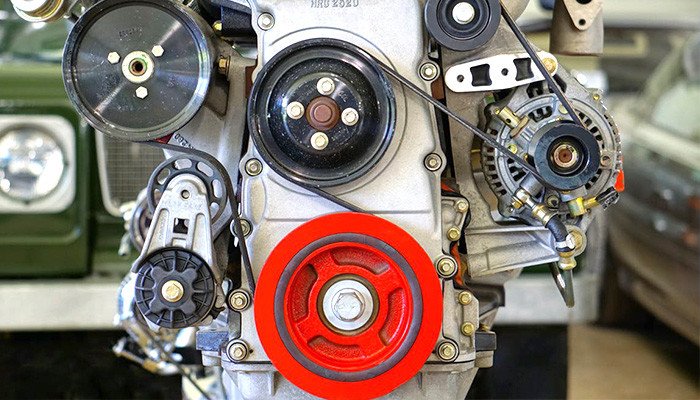
The engine is the most important part of a car because it generates the power required to move the vehicle. Most cars use internal combustion engines that burn fuel to create energy.
Inside the engine, fuel mixes with air and ignites inside cylinders. This controlled explosion moves pistons, which rotate the crankshaft and produce mechanical energy.
Key functions of the engine include:
- Producing power to move the car
- Operating the vehicle’s mechanical systems
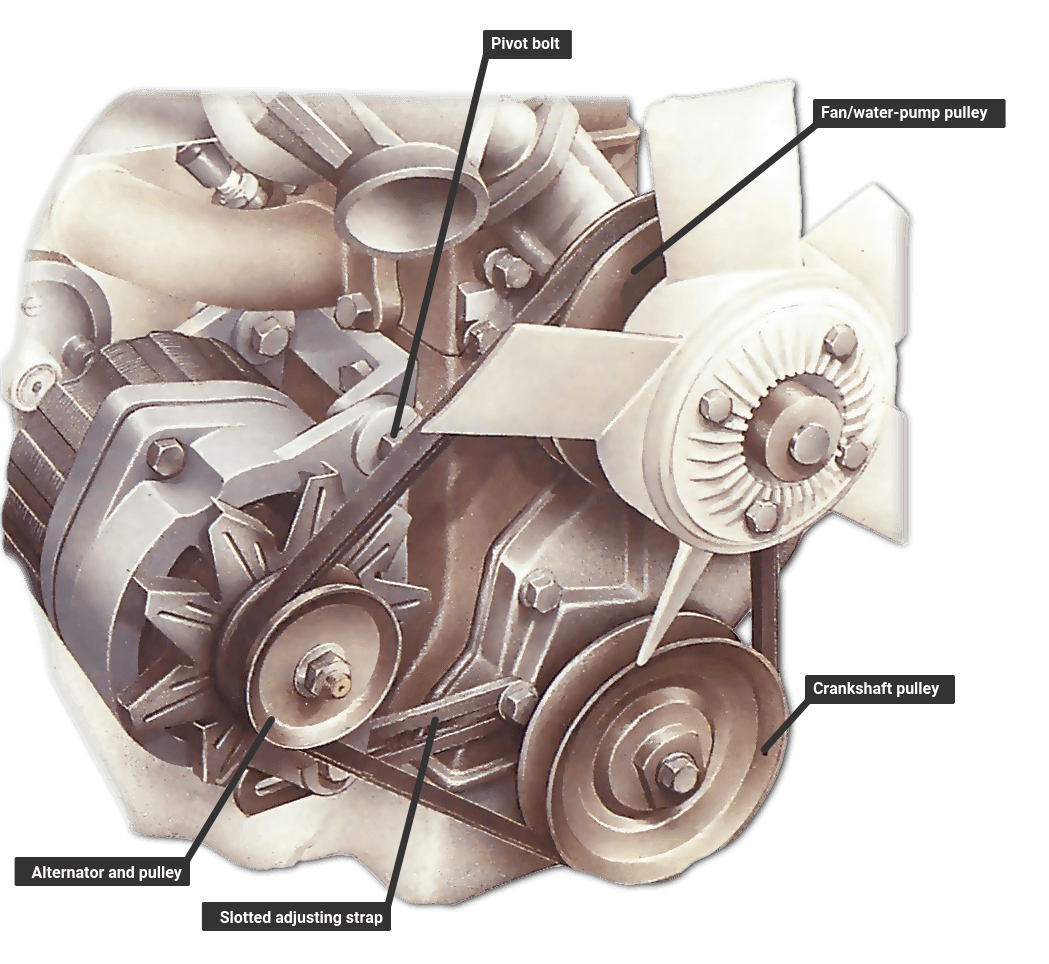
- Driving components such as the alternator and water pump
Without the engine, a car cannot operate.
Transmission
The transmission system transfers power from the engine to the wheels. It controls how much power reaches the wheels depending on the vehicle’s speed.
The transmission allows the driver to change gears so the engine can operate efficiently at different speeds.
There are two common types of transmissions:
- Manual transmission
- Automatic transmission
The transmission ensures smooth acceleration and efficient engine performance.
Battery
The battery provides electrical energy to start the car and power various electronic systems.
When the driver turns the ignition key or presses the start button, the battery supplies electricity to the starter motor. This allows the engine to begin running.
The battery also powers electrical components such as:
- Headlights
- Interior lights
- Radio systems
- Sensors and control units
The alternator recharges the battery while the engine is running.
Radiator


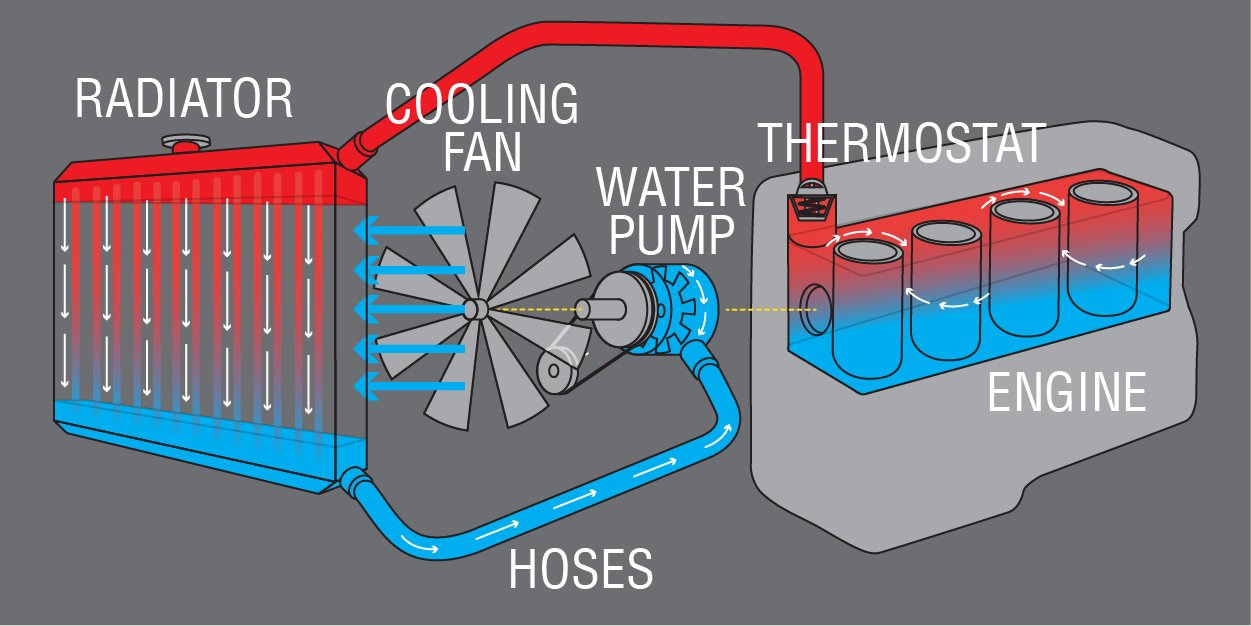
The radiator is a major component of the car’s cooling system. It prevents the engine from overheating by regulating its temperature.
When the engine runs, it produces a large amount of heat. Coolant fluid circulates through the engine and absorbs this heat.
The radiator then releases the heat into the air through metal fins.
Proper cooling is essential for preventing engine damage and maintaining performance.
Braking System
The braking system allows the driver to slow down or stop the vehicle safely.
When the brake pedal is pressed, hydraulic pressure pushes brake pads against rotating discs attached to the wheels. This friction reduces wheel speed and stops the car.
Major braking components include:
- Brake pedal
- Brake pads
- Brake discs or drums
- Brake calipers
- Brake fluid system
A well-functioning braking system is critical for vehicle safety.
Suspension System
The suspension system connects the wheels to the vehicle body and absorbs shocks from the road.
Road surfaces are often uneven, and the suspension helps maintain stability and comfort during driving.
Main suspension components include:
- Springs
- Shock absorbers
- Struts
- Control arms
The suspension system ensures that tires maintain proper contact with the road, which improves handling and safety.
Alternator
The alternator generates electricity while the engine is running. It converts mechanical energy from the engine into electrical energy.
The alternator performs two main tasks:
- Recharging the battery
- Powering electrical systems in the car
Without a functioning alternator, the battery would eventually lose its charge, causing the car to stop working.
Fuel System
The fuel system delivers fuel from the fuel tank to the engine.
Important components of the fuel system include:
- Fuel tank
- Fuel pump
- Fuel injectors
- Fuel filter
Fuel injectors spray the correct amount of fuel into the engine’s combustion chamber. Proper fuel delivery ensures efficient engine performance and fuel economy.
Exhaust System
The exhaust system removes gases produced during fuel combustion in the engine.
It also reduces noise and harmful emissions before releasing gases into the atmosphere.
Major parts of the exhaust system include:
- Exhaust manifold
- Catalytic converter
- Muffler
- Exhaust pipe
The catalytic converter plays an important role in reducing harmful pollutants from the exhaust gases.
Steering System
The steering system allows the driver to control the direction of the vehicle.
When the driver turns the steering wheel, mechanical linkages transfer movement to the front wheels.
Modern cars use power steering systems that assist the driver in turning the wheels with less effort.
Power steering systems may be:
- Hydraulic power steering
- Electric power steering
This system improves vehicle control and driving comfort.
Air Filter
The air filter prevents dust, dirt, and debris from entering the engine.
Clean air is necessary for efficient fuel combustion. A clogged air filter can reduce engine performance and fuel efficiency.
Air filters should be replaced regularly to maintain engine health.
Spark Plugs
Spark plugs ignite the fuel-air mixture inside the engine cylinders.
They produce a spark that starts the combustion process during the power stroke of the engine cycle.
Worn spark plugs can cause problems such as:
- Engine misfires
- Reduced fuel efficiency
- Difficulty starting the engine
Regular inspection and replacement help maintain proper engine performance.
Tires
Tires are the only part of the car that touches the road. They provide traction, stability, and support for the vehicle.
Good-quality tires improve:
- Vehicle handling
- Braking performance
- Fuel efficiency
Proper tire maintenance includes:
- Checking tire pressure
- Rotating tires regularly
- Replacing worn tires
Maintaining tires properly ensures safer driving.
Importance of Understanding Auto Parts
Knowing about basic auto parts can help drivers in several ways.
These benefits include:
- Recognizing mechanical problems early
- Communicating effectively with mechanics
- Performing basic maintenance tasks
- Improving vehicle safety
Drivers who understand their vehicles are more likely to maintain them properly and prevent costly repairs.
Importance of Regular Maintenance
Regular vehicle maintenance ensures that all parts function correctly.
Important maintenance tasks include:
- Changing engine oil
- Replacing air filters
- Checking brake pads
- Inspecting battery connections
- Maintaining tire pressure
Routine maintenance extends the life of automotive components and improves vehicle reliability.
Conclusion
Cars are complex machines composed of many interconnected parts that work together to provide transportation. Components such as the engine, transmission, battery, radiator, braking system, and suspension system all play important roles in vehicle operation.
Each auto part has a specific function that contributes to the overall performance, safety, and comfort of the vehicle. Understanding these parts helps drivers appreciate how their vehicles work and encourages proper maintenance.
By maintaining these components regularly and addressing problems early, drivers can ensure that their cars remain reliable and safe for many years of use.