Introduction
Driving a car is an important skill that provides independence, convenience, and mobility. Many people rely on cars for daily activities such as commuting to work, traveling, shopping, and visiting family or friends. However, learning how to drive safely requires patience, practice, and understanding of the basic controls of a vehicle.
For beginners, driving may seem complicated at first because there are several components to manage simultaneously, including steering, acceleration, braking, and observing traffic rules. With proper guidance and regular practice, anyone can develop the skills necessary to drive confidently and responsibly.
This article explains the step-by-step process of learning how to drive a car, from understanding the vehicle controls to driving safely on the road.
Understanding Basic Car Controls
Before starting the car, it is important to understand the main controls that operate the vehicle.
Steering Wheel
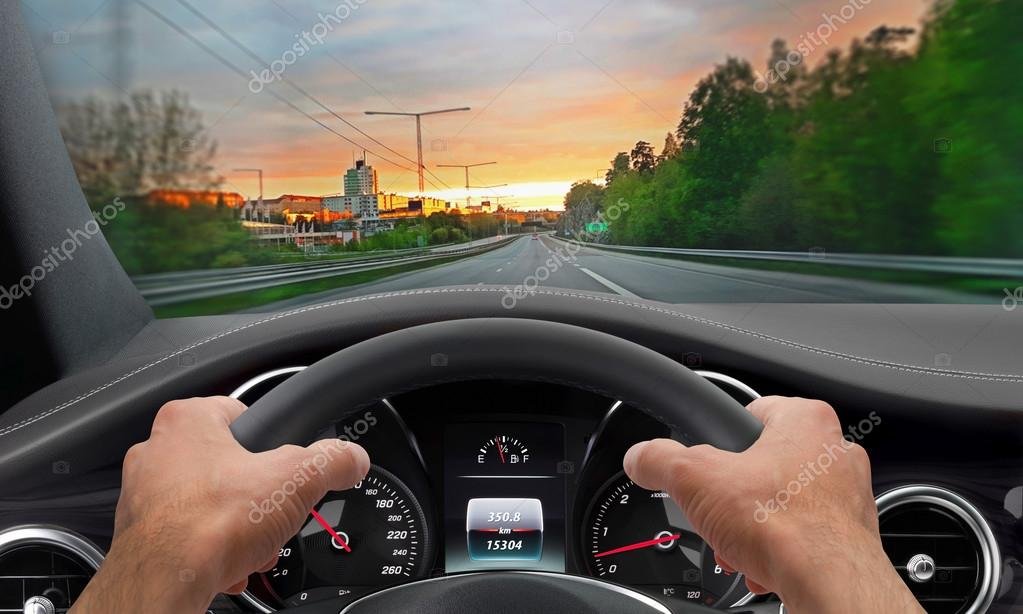
The steering wheel controls the direction of the car. Turning the steering wheel left or right changes the direction of the vehicle.
Drivers should keep both hands on the steering wheel to maintain better control.
Accelerator Pedal
The accelerator pedal increases the speed of the vehicle. Pressing it gently allows the car to move forward.
Pressing too hard may cause the vehicle to accelerate quickly, so beginners should apply gentle pressure.
Brake Pedal
The brake pedal slows down or stops the car. When pressed, it reduces the vehicle’s speed by applying friction to the wheels.
Drivers should always be ready to use the brake when necessary.
Clutch Pedal (Manual Cars)
Manual transmission cars have a clutch pedal that helps change gears.
The clutch temporarily disconnects the engine from the wheels, allowing the driver to shift gears smoothly.
Automatic cars do not have a clutch pedal.
Gear Lever
The gear lever controls the transmission system.
In manual cars, the driver changes gears depending on the speed of the vehicle.
In automatic cars, common gear positions include:
- P (Park)
- R (Reverse)
- N (Neutral)
- D (Drive)
Mirrors
Cars have three mirrors:
- Rearview mirror
- Left side mirror
- Right side mirror
These mirrors help drivers see traffic around the vehicle and avoid accidents.
Step 1: Adjust the Driver’s Seat and Mirrors
Before starting the car, adjust the seat so that you can comfortably reach the pedals and steering wheel.
Proper seating position should allow you to:
- Press pedals easily
- See the road clearly
- Reach controls without stretching
Next, adjust the mirrors to ensure a clear view of vehicles behind and beside you.
This preparation improves safety and control while driving.
Step 2: Start the Car


To start the car:
- Insert the key into the ignition or press the start button.
- Ensure the gear is in Park (automatic) or Neutral (manual).
- Press the brake pedal.
- Turn the key or press the engine start button.
Once the engine starts, dashboard lights and indicators will activate.
Step 3: Put the Car in Gear
The next step is selecting the correct gear.
Automatic Cars
For automatic vehicles:
- Press the brake pedal.
- Move the gear lever to D (Drive).
- Release the brake slowly.
The car will begin to move gradually.
Manual Cars
For manual vehicles:
- Press the clutch pedal fully.
- Shift the gear lever into first gear.
- Slowly release the clutch while gently pressing the accelerator.
This process allows the car to start moving smoothly.
Step 4: Control the Steering Wheel
Once the car starts moving, control the steering wheel to keep the vehicle centered in the lane.
Drivers should:
- Hold the wheel firmly but not too tightly
- Make smooth steering movements
- Avoid sudden turns
Maintaining proper steering control ensures stability and safety.
Step 5: Accelerate Smoothly
Press the accelerator pedal gradually to increase speed.
Sudden acceleration may cause the car to move too quickly and reduce control.
Beginners should practice accelerating gently until they become comfortable managing speed.
Step 6: Practice Braking
Braking is one of the most important driving skills.
To stop the car:
- Release the accelerator.
- Press the brake pedal gradually.
- Allow the vehicle to slow down smoothly.
Sudden braking can cause discomfort and may lead to loss of control.
Smooth braking improves safety and passenger comfort.
Step 7: Learn to Turn the Car
Turning requires careful coordination of steering, braking, and acceleration.
When turning:
- Slow down before the turn.
- Check mirrors and surroundings.
- Turn the steering wheel gradually.
- Accelerate gently after completing the turn.
Using indicators before turning alerts other drivers about your intentions.
Step 8: Follow Traffic Rules
Safe driving requires obeying traffic laws and regulations.
Important rules include:
- Following speed limits
- Stopping at traffic signals
- Using turn signals
- Maintaining safe distance from other vehicles
- Wearing seat belts
Following traffic rules helps prevent accidents and ensures road safety.
Step 9: Practice Parking
Parking is an essential driving skill that requires precision and patience.
Common parking methods include:
- Parallel parking
- Angle parking
- Reverse parking
Beginners should practice parking in empty parking lots before attempting it in crowded areas.
Regular practice improves accuracy and confidence.
Step 10: Stay Calm and Focused
Driving requires concentration and awareness.
Drivers should avoid distractions such as:
- Using mobile phones
- Eating while driving
- Adjusting devices unnecessarily
Staying calm and focused helps drivers react quickly to unexpected situations on the road.
Safety Tips for Beginner Drivers


Developing safe driving habits is essential for beginners.
Always Wear a Seat Belt
Seat belts reduce the risk of serious injuries during accidents.
Maintain Safe Distance
Keeping a safe distance from the vehicle ahead allows enough time to react if it slows down suddenly.
Check Mirrors Frequently
Regularly checking mirrors helps drivers stay aware of surrounding traffic.
Drive at Safe Speeds
Driving at appropriate speeds improves control and reduces accident risks.
Common Mistakes Beginners Make
Some common mistakes new drivers make include:
- Pressing pedals too hard
- Turning the steering wheel abruptly
- Forgetting to check mirrors
- Driving too fast or too slow
- Panicking in traffic
These mistakes can be corrected with patience and practice.
Driving skills improve gradually as experience increases.
Benefits of Learning to Drive
Learning how to drive offers many advantages.
These include:
- Greater independence
- Easier travel and commuting
- Ability to handle emergencies
- Increased confidence and responsibility
Driving is also an important life skill in many parts of the world.
Conclusion
Learning how to drive a car is an important and valuable skill that requires patience, practice, and understanding of vehicle controls. By learning the functions of the steering wheel, pedals, gears, and mirrors, beginners can gradually develop confidence behind the wheel.
Following step-by-step instructions, practicing regularly, and observing traffic rules help new drivers become safe and responsible on the road. Over time, driving becomes more natural and comfortable.
With dedication and careful practice, anyone can learn to drive effectively and enjoy the freedom that comes with this essential skill.